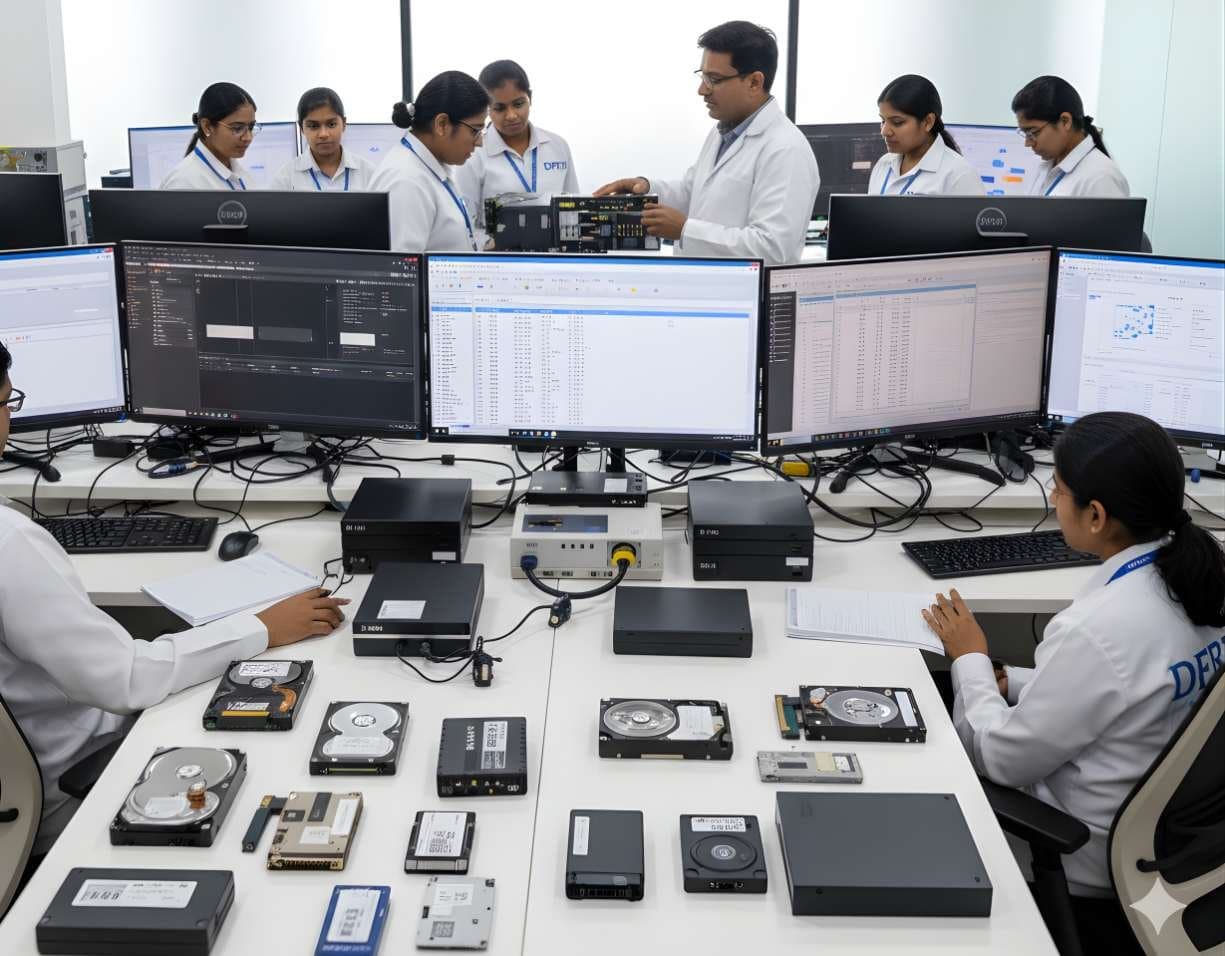
 StorageDigital Storage ForensicsHDD ForensicsImage hard drives through a write-blocker, find hidden areas and recover deleted data.
ACE Lab
PC-3000 Portable PRO
The PC-3000 Portable PRO is ACE Lab's field unit for working with damaged hard drives and solid state drives. It is the portable branch of the PC-3000 family and the current generation after the Portable III.
HardwareCommercialCurrentHardware
Profile
- Manufacturer
- ACE Lab
- Category
- Storage and hardware
- Product type
- Hardware
- Platforms
- Hardware
- Licensing
- Commercial
- Product status
- Current
- Educational level
- Advanced
- Last verified
- 2 November 2026
ACE Lab's site now lists the Portable PRO as the current portable unit and shows the PC-3000 Portable III only in a comparison table. Third-party catalogues still describe the Portable III, so check which generation a laboratory owns before quoting its abilities.
What PC-3000 Portable PRO is
The PC-3000 Portable PRO is a small external box that sits between the examiner's computer and a faulty drive. Unlike an ordinary USB dock, it gives the PC-3000 software control over the drive's power, its interface timing and its service area, the hidden part of the drive where firmware modules, defect lists and the translator live. ACE Lab lists the unit as working with SATA, PATA and USB hard drives, SATA and PCIe NVMe solid state drives through adapters, SAS drives with an optional SAS adapter and flash cards through an included reader. A standalone mode lets it run some jobs without a host computer.
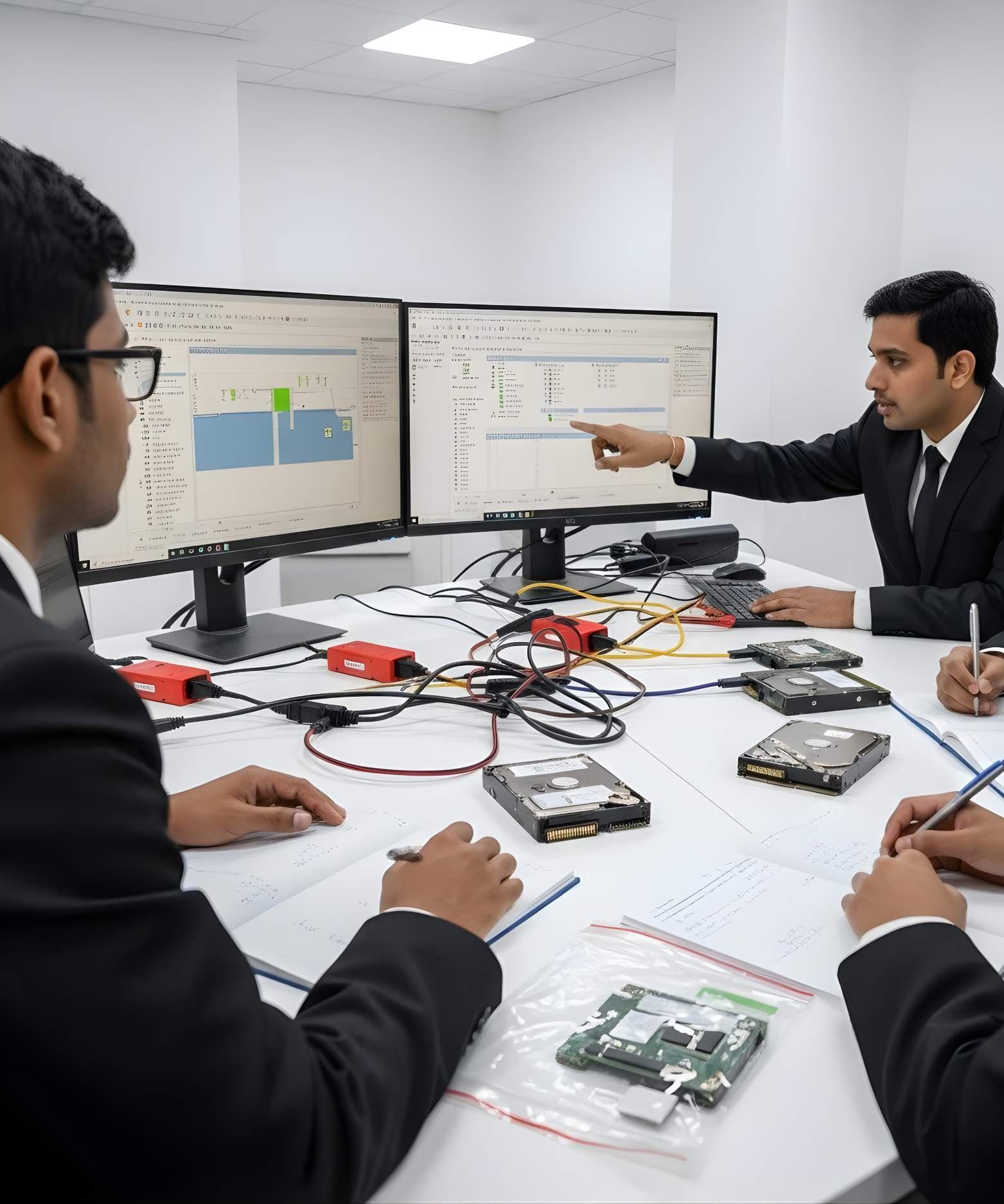
In a recovery or forensic laboratory the Portable PRO is used when a drive will not identify, clicks, hangs or reads too slowly for a normal imager. The examiner diagnoses the fault, repairs or patches firmware where that is the safe route and then images the drive with the Data Extractor software that is sold for the same hardware. ACE Lab sells the box in several kits, such as the base Portable Pro System, an SSD system, a RAID system and an Ultimate system, which differ in the software modules and adapters included.
Primary applications
Where it is used
- On-site recovery and acquisition from drives that fail to identify or respond
- Reading and backing up firmware modules and the service area before any repair
- Disabling damaged heads through a head map so the remaining surfaces can be imaged
- Imaging unstable drives with controlled power cycling and read parameters
- Working with SATA, PATA, USB, SAS and PCIe NVMe media through adapters
- Preparing a drive so a forensic image can be taken in a second tool
Who uses it
- Data recovery engineers
- Digital forensic laboratories handling damaged media
- Law enforcement storage examiners
- Researchers studying drive firmware
Capabilities and limits
Major capabilities
- External unit with its own power control and interface ports for several drives
- Vendor-specific technological utilities for hard drive firmware and service area access
- Head map editing to isolate failed heads during imaging
- SATA and PCIe NVMe SSD support with the PC-3000 SSD software and the Extended package adapters
- Optional SAS adapter for enterprise drives
- Flash card reading through the included card reader for logical cases
- Standalone mode for some operations without a host computer
- Works with Data Extractor for sector-level and file-system-aware imaging
Technical limitations
- Hardware alone recovers nothing. The vendor's software modules and a trained operator do the work
- Flash drive cases are limited to logical damage on this unit. Physically dead NAND needs the PC-3000 Flash reader
- Firmware edits change the drive. Every step must be logged and the original firmware backed up first
- A drive with mechanical damage still needs a clean room and donor parts before this tool can help
- Adapters are sold separately for several interfaces, so a kit may not cover every drive met in practice
Learning with DFRTI
Independent professional education covering the principles and workflows of PC-3000 Portable PRO. DFRTI is not a vendor training centre and its courses are not vendor certifications.
Before you learn it
- Hard drive architecture, including platters, heads, firmware modules and the translator
- SSD controller basics and the role of the flash translation layer
- Forensic imaging practice and hash verification
- Vendor training on the PC-3000 software, which is not a self-taught product
Disciplines
Related tools
- PC-3000 ExpressThe PC-3000 Express is the laboratory version of the PC-3000 family, a tester board fitted inside a workstation for hard drive diagnostics, firmware repair and data recovery.ACE Lab
- PC-3000 FlashThe PC-3000 Flash reads raw NAND memory chips and rebuilds the user data that a dead or damaged controller can no longer present.ACE Lab
- PC-3000 SSDPC-3000 SSD is the solid state drive module of the PC-3000 family. It runs on ACE Lab's hardware and gives the examiner access to the drive's technological mode, where the controller can be made to reveal user data it will no longer serve through the normal interface.ACE Lab
- Data ExtractorData Extractor is the software that turns a PC-3000 board or portable unit into an imager for drives that are unstable, slow or partly unreadable.ACE Lab
- MRT Ultra 3.0MRT Ultra is MRT Lab's multi-port recovery card. The current generation, released in 2026, is the MRT Ultra 3.0 Six-Port Card, used with the MRT data recovery software for firmware repair and imaging of hard drives.MRT Lab
- Hardware Write BlockersA hardware write blocker sits between an evidence drive and the examiner's computer and refuses every write command. It is the first device a new examiner should understand.Various manufacturers
Courses that cover this tool
StorageDigital Storage ForensicsHDD ForensicsImage hard drives through a write-blocker, find hidden areas and recover deleted data.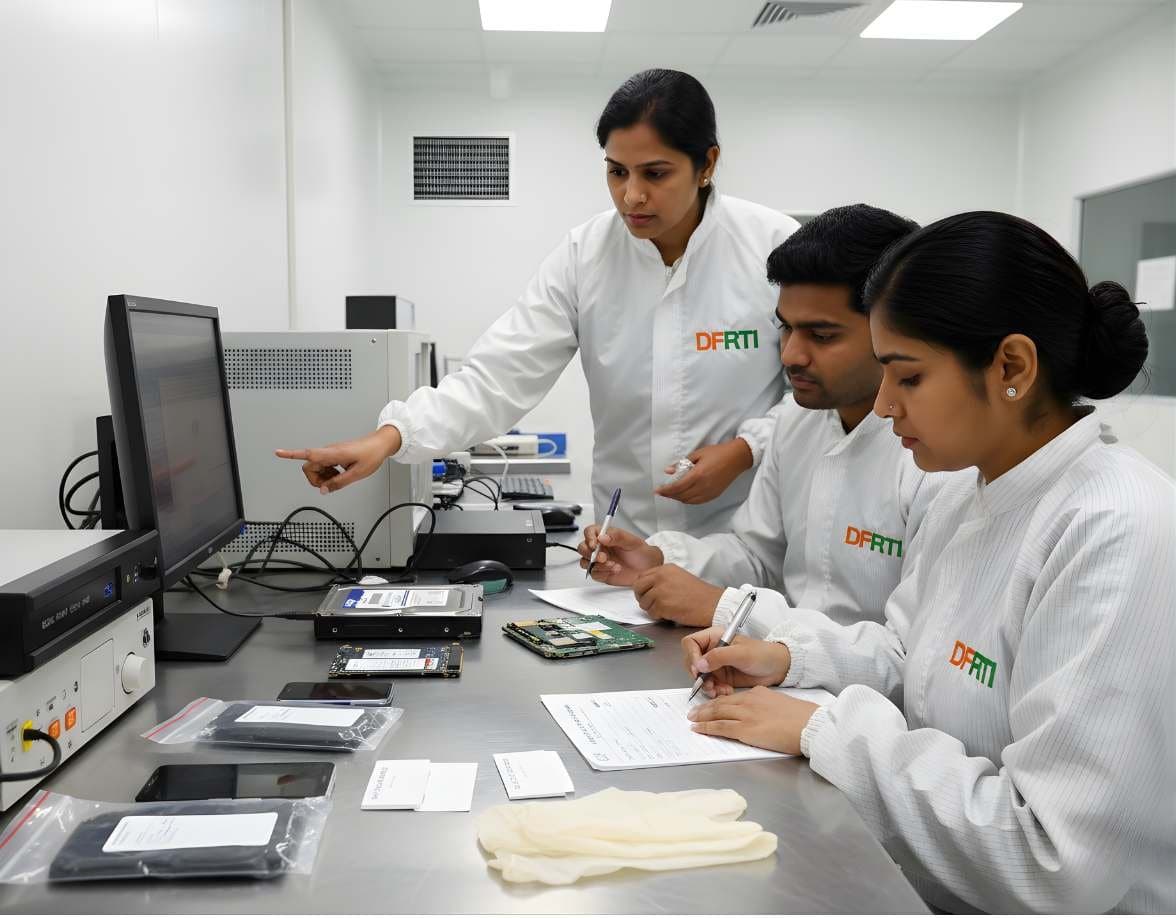 StorageDigital Storage ForensicsSSD / NVMe ForensicsHow TRIM, garbage collection and wear levelling change evidence on SSD and NVMe drives.
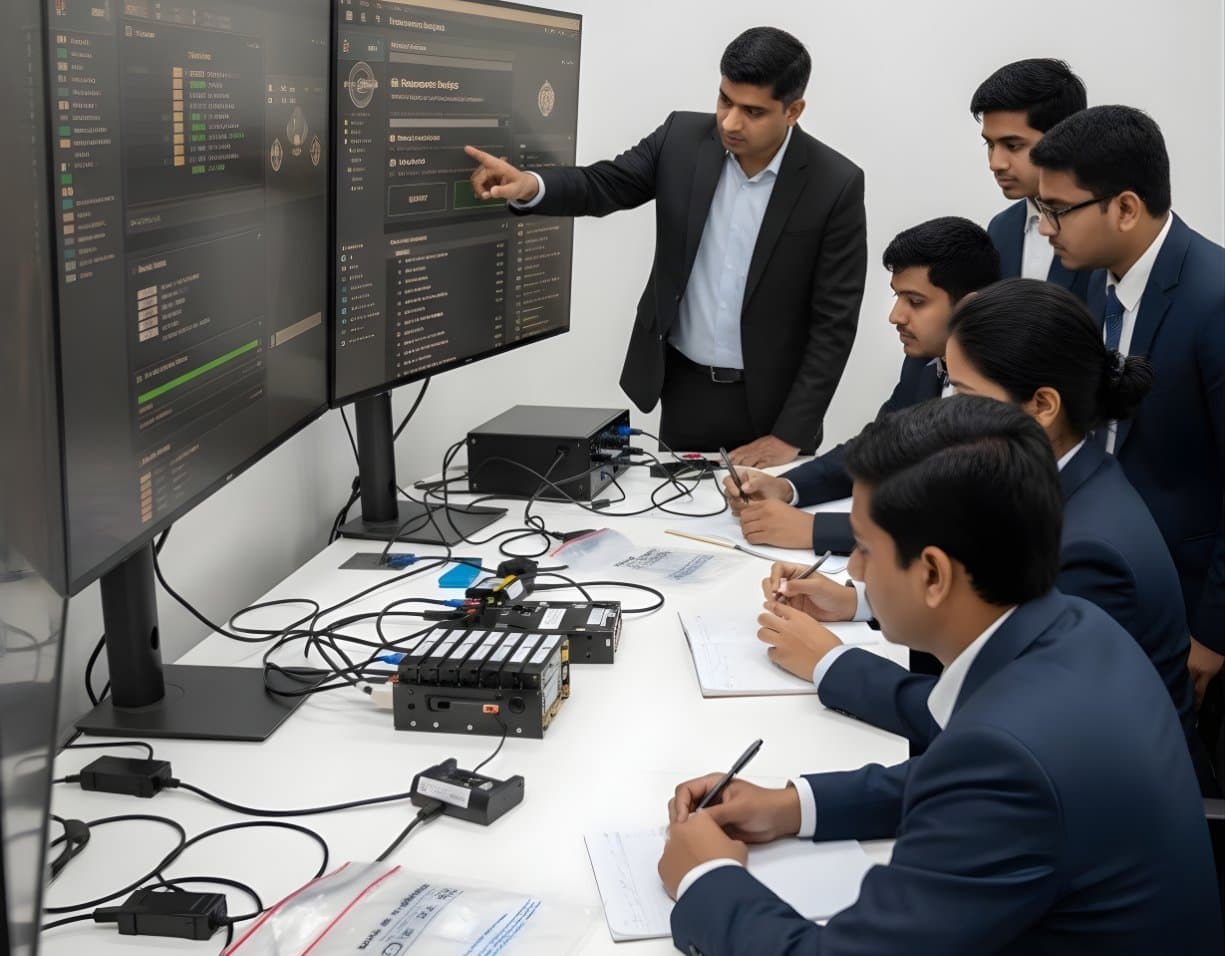 StorageDigital Storage ForensicsRAID / NAS ForensicsImage RAID members, rebuild arrays virtually and examine NAS boxes after ransomware.
Official source
Product names and trademarks belong to their respective owners. DFRTI is an independent educational and research institute. Inclusion in this directory does not imply manufacturer endorsement, partnership or authorisation. Facts are checked against the manufacturer's public documentation on the date shown and may have changed since.
Go deeper with DFRTI
Free pages explain the ground. Structured courses, lab work and a mentor take you from knowing about it to doing it on a case.