Careers in digital forensics
What each role actually does day to day, the skills it needs, how it grows and where people in it work. No salary figures and no placement promises, only the work itself.
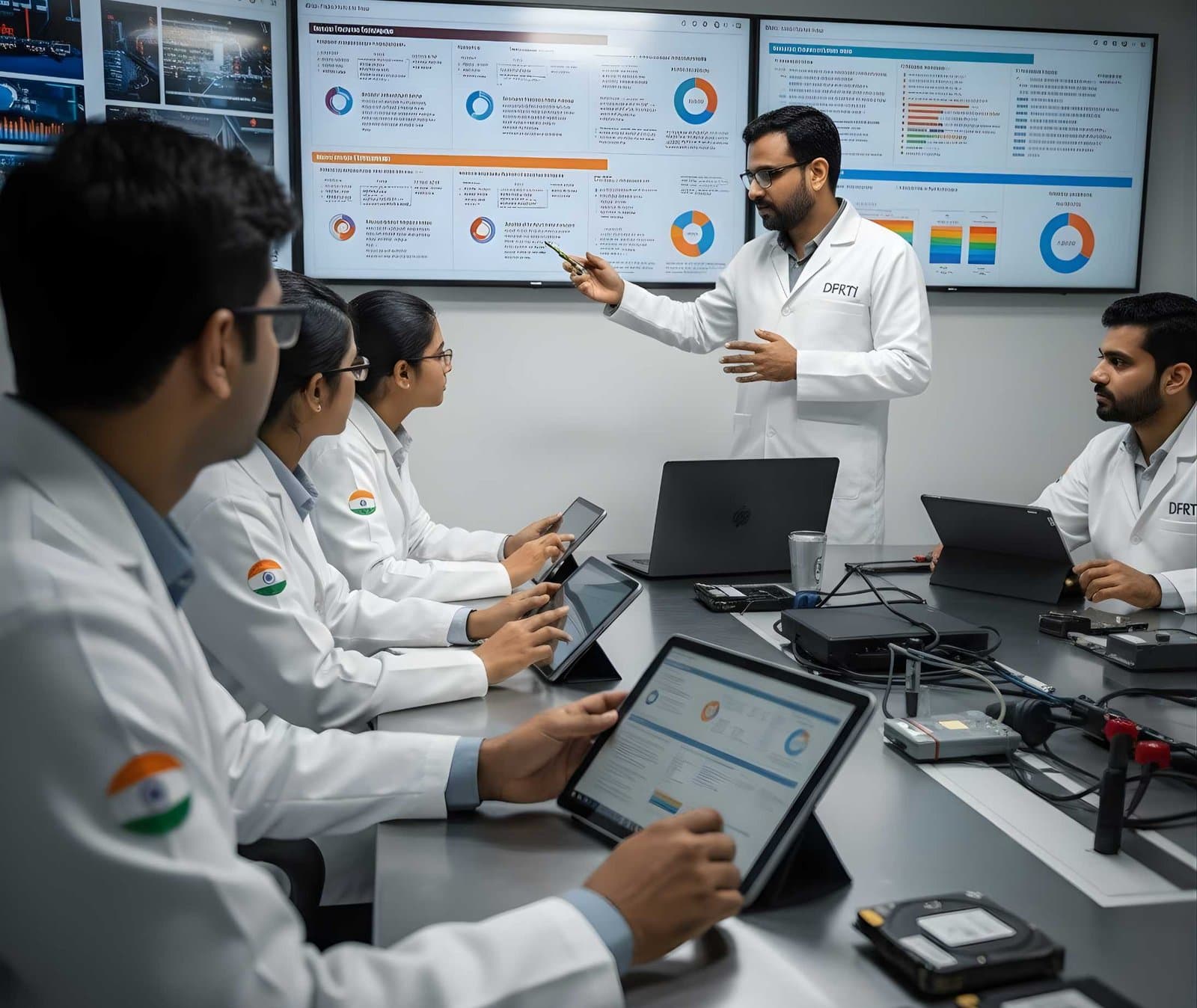
Career guides
Each guide is written from the work, not the job advert. Read the one closest to where you want to be, then the disciplines and courses it points to.
- Digital Forensic ExaminerThe examiner is the generalist of digital evidence. One week it is a laptop from an office, the next a phone and a pen drive from a fraud complaint, and the job is to find what is there, prove how it was found and explain it to people who were not in the lab.
- Mobile Forensic AnalystPhones carry more of a case than any other device. The mobile analyst extracts that data lawfully, decodes it and says clearly what could and could not be recovered.
- Computer Forensic AnalystA computer forensic analyst works on what people did on their computers. The job is reading disks and operating system records closely enough to say who did what, when, and how sure we can be.
- Incident Response AnalystWhen an organisation is attacked, the incident response analyst is the first technical person on the case. The work is fast, the evidence is fragile and the write-up has to be right.
- Cybercrime InvestigatorThe cybercrime investigator joins the dots between a complaint and a person. Forensic examiners find what is on a device. The investigator decides what to seize, what to ask for and how the pieces make a case.
- Forensic Laboratory TechnicianEvery examination rests on what the technician did first. Intake, imaging, verification and records are the foundation of the lab, and the usual first job in digital forensics.
- Data Recovery SpecialistThe data recovery specialist gets data back from drives that no longer work. In a forensic setting the same skill recovers evidence from damaged exhibits, with the added duty of changing nothing that need not change.
- Video Forensic AnalystCCTV and phone video decide many cases, and most of it arrives in poor shape. The video forensic analyst recovers it, makes it usable without changing what it shows and says whether it is genuine.
- Network Forensic AnalystNetwork forensics works out what crossed the wire. Packet captures, flow records and logs tell the analyst how an intruder entered, where they went and what left the organisation.
- Cloud Forensic AnalystMuch of the evidence in a modern case sits in a data centre that belongs to someone else. The cloud forensic analyst collects it through the right channels, understands how the platform logs it and pieces together what happened.
- Digital Evidence ConsultantThe consultant stands between the technical work and the people who must act on it. Lawyers, judges, boards and investigators need someone who can test a forensic report, explain it plainly and say what it does not prove.
- eDiscovery SpecialistLitigation and regulatory matters turn on emails, chats and documents in their thousands. The eDiscovery specialist collects them defensibly, processes them for review and keeps every step auditable.
- Forensic ResearcherSomeone has to work out how the new app stores its chats before an examiner can recover them. The forensic researcher does that work, tests whether tools get it right and publishes what they find.
How people get in
Most examiners did not start as examiners. They came from IT support, networking, software, policing, law or a science degree and added forensic method to what they already knew. The first job is usually in a laboratory doing intake, imaging and verification, or in an investigation team reading reports written by someone else. Both teach the habits that matter: write everything down, verify every hash, separate what the evidence shows from what it suggests.
What employers look for is evidence of care more than a list of tools. A report you wrote on a practice case, a validation note for a tool you tested, a clean chain of custody record from an internship. The guides on this page say which skills matter for each role and the courses that build them.
Career guides describe typical work and skills. They do not promise employment, placement or a salary, and roles vary between employers and countries.
Ready to start?
Tell a counsellor where you are today. They will suggest the first course and the track that leads to the role you want.