 LegalFoundation & Legal CoursesBasics of Cyber ForensicsStart here. Evidence handling, imaging, hashing, chain of custody and your first analysis.
Forensic Laboratory Technician
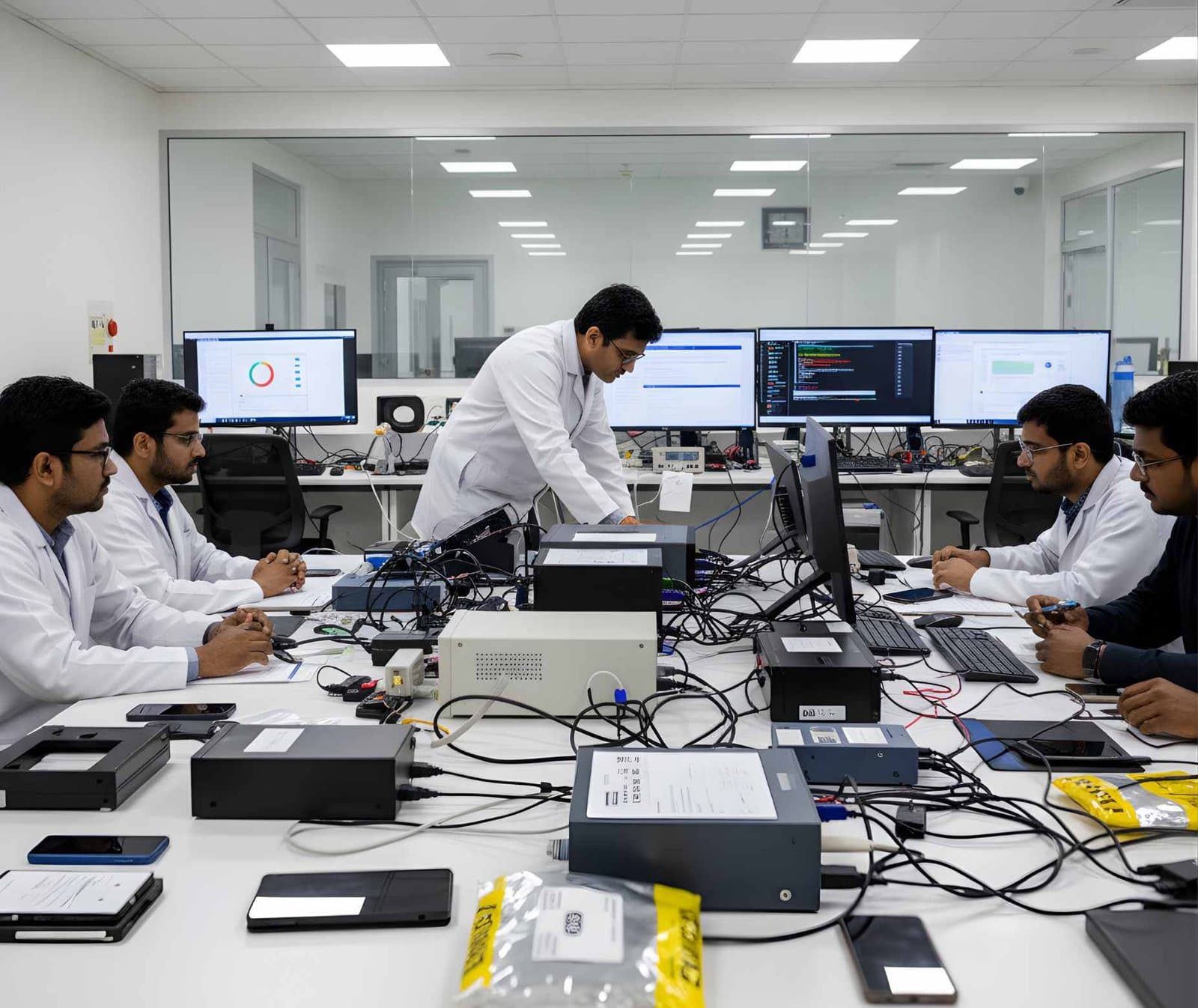
Every examination rests on what the technician did first. Intake, imaging, verification and records are the foundation of the lab, and the usual first job in digital forensics.
Career guide8 skills5 courses
What the work is
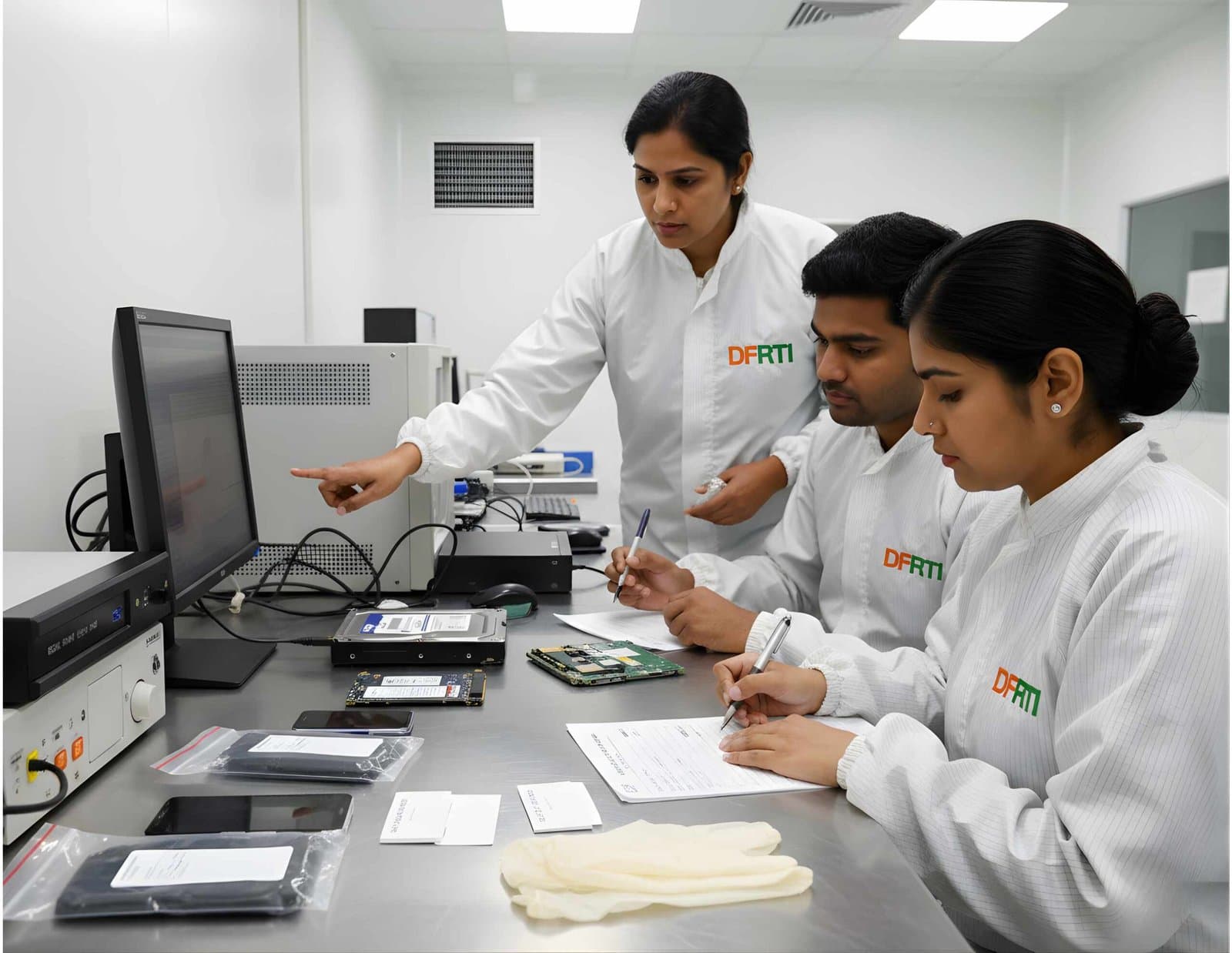
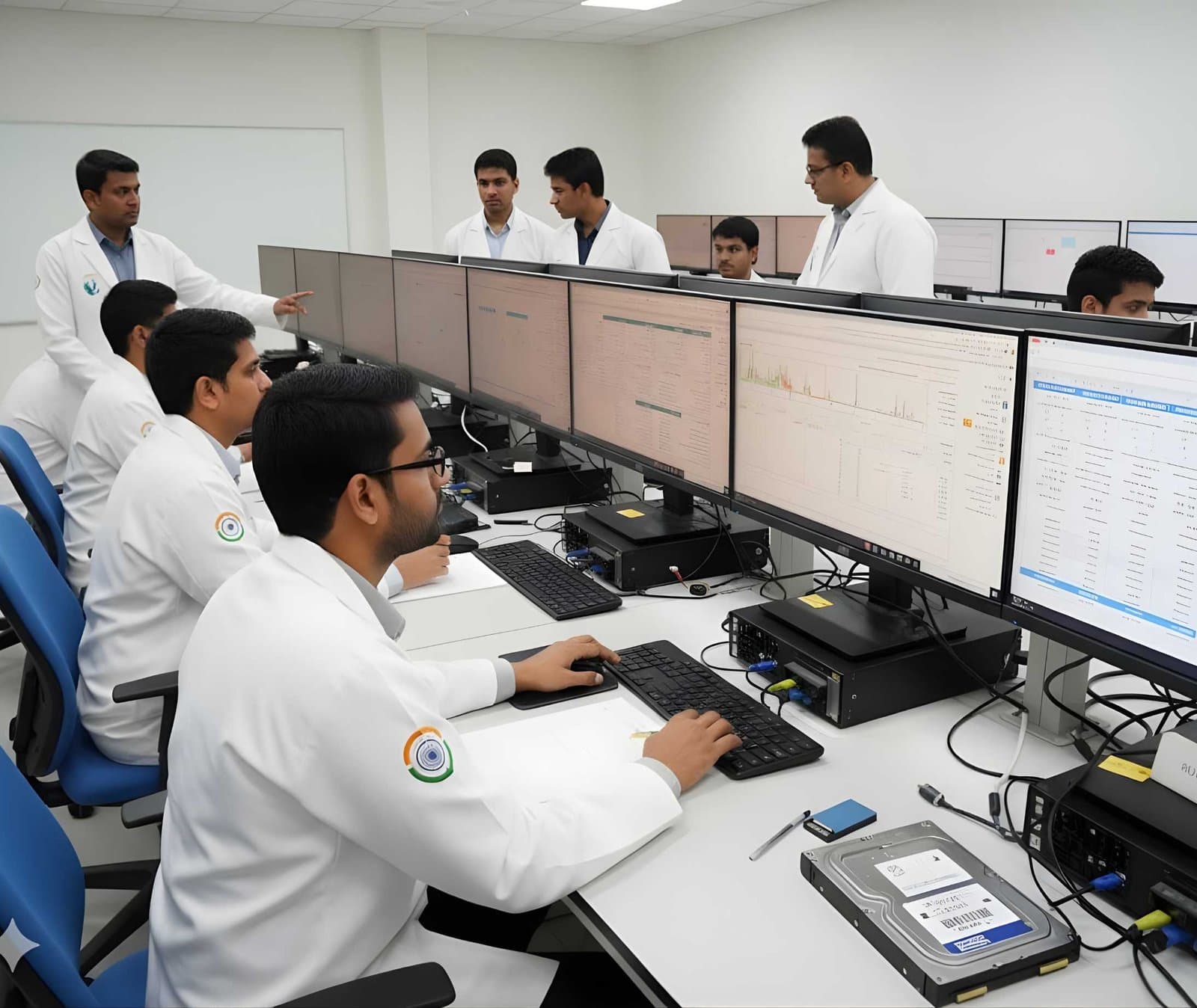
- Receives exhibits, photographs them, records make, model, serial numbers and condition and enters them in the evidence register.
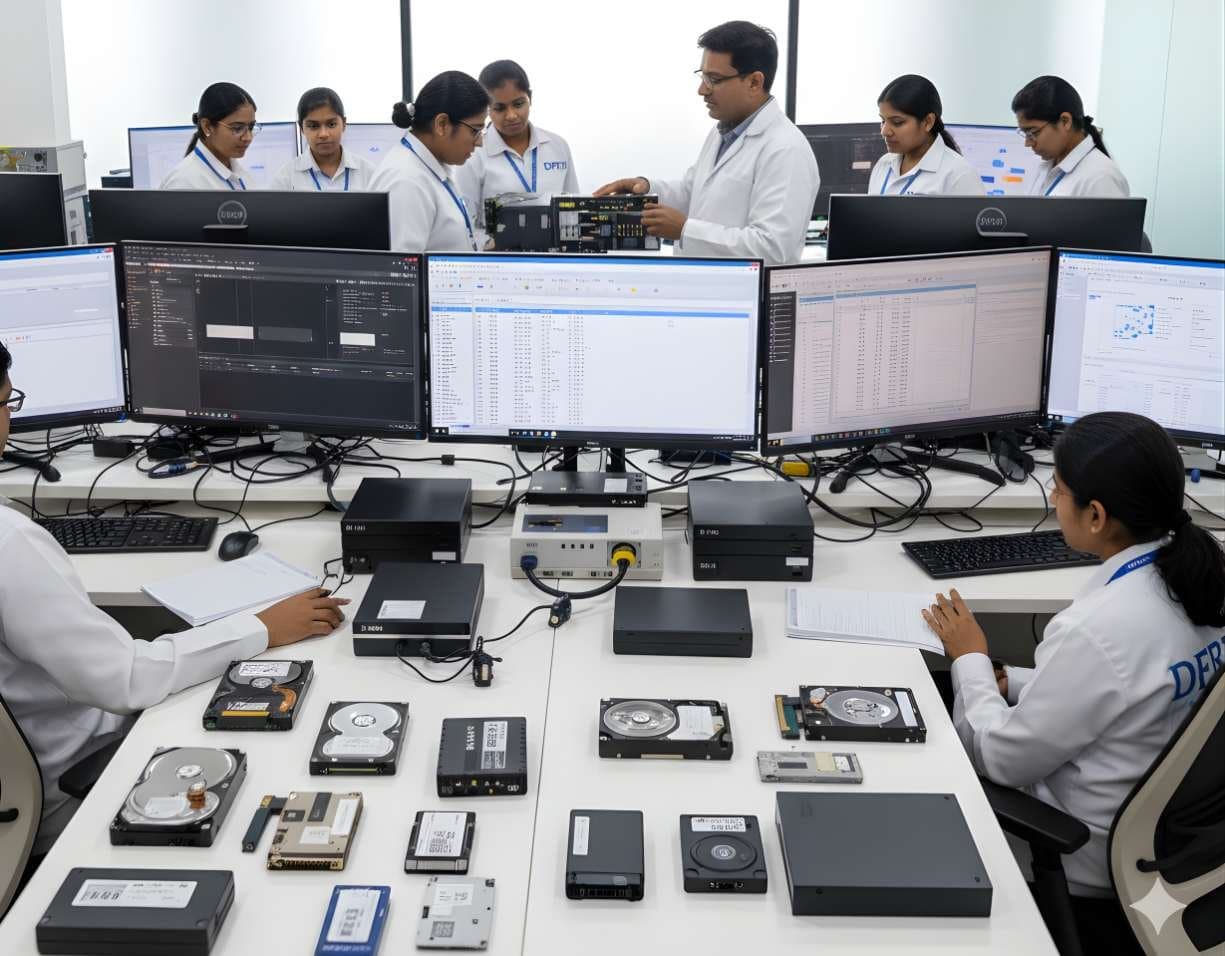
- Images hard disks, SSDs, pen drives and memory cards with write-blockers and duplicators and verifies every image by hash.
- Runs standard extractions on phones under the direction of an examiner and stores the output in the case structure.
- Maintains the evidence store: sealed bags, labels, movement logs and the chain of custody for each item.
- Keeps imaging workstations, write-blockers and tool licences in working order and logs the tool versions used on each case.
- Prepares working copies for examiners and returns originals to secure storage.
- Helps with tool validation runs and keeps the records the quality system of the lab needs.
Skills to build
- Careful, complete documentation, the first skill a lab checks
- Hardware handling: SATA, NVMe, USB and the adapters between them, without damaging an exhibit
- Imaging with FTK Imager, duplicators and acquisition tools, and understanding why a hash mismatch matters
- Basic knowledge of file systems and storage so that odd results get noticed
- Evidence handling as described in ISO/IEC 27037:2012
- Secure storage practices and access control
- Comfort with checklists and repetition
- Basic mobile acquisition under supervision
Tools you will meet
How the role grows
Stages, not promises. Titles differ between employers and the time each stage takes depends on the cases you get to work on.
- 01Forensic Laboratory Technician
Intake, imaging, verification and records. The job is to make every exhibit ready for examination without a single gap in the paperwork.
- 02Senior Technician or Acquisition Specialist
Takes the difficult acquisitions: failing drives, unusual interfaces, servers and large arrays. Trains new technicians.
- 03Digital Forensic Examiner
Most technicians move into examination once they have learnt analysis alongside acquisition. The handling discipline comes with them.
- 04Evidence Manager or Lab Quality Officer
Owns the evidence store, the chain of custody system and the records that a lab quality programme and the courts depend on.
Start at DFRTI
LegalFoundation & Legal CoursesBasics of Cyber ForensicsStart here. Evidence handling, imaging, hashing, chain of custody and your first analysis.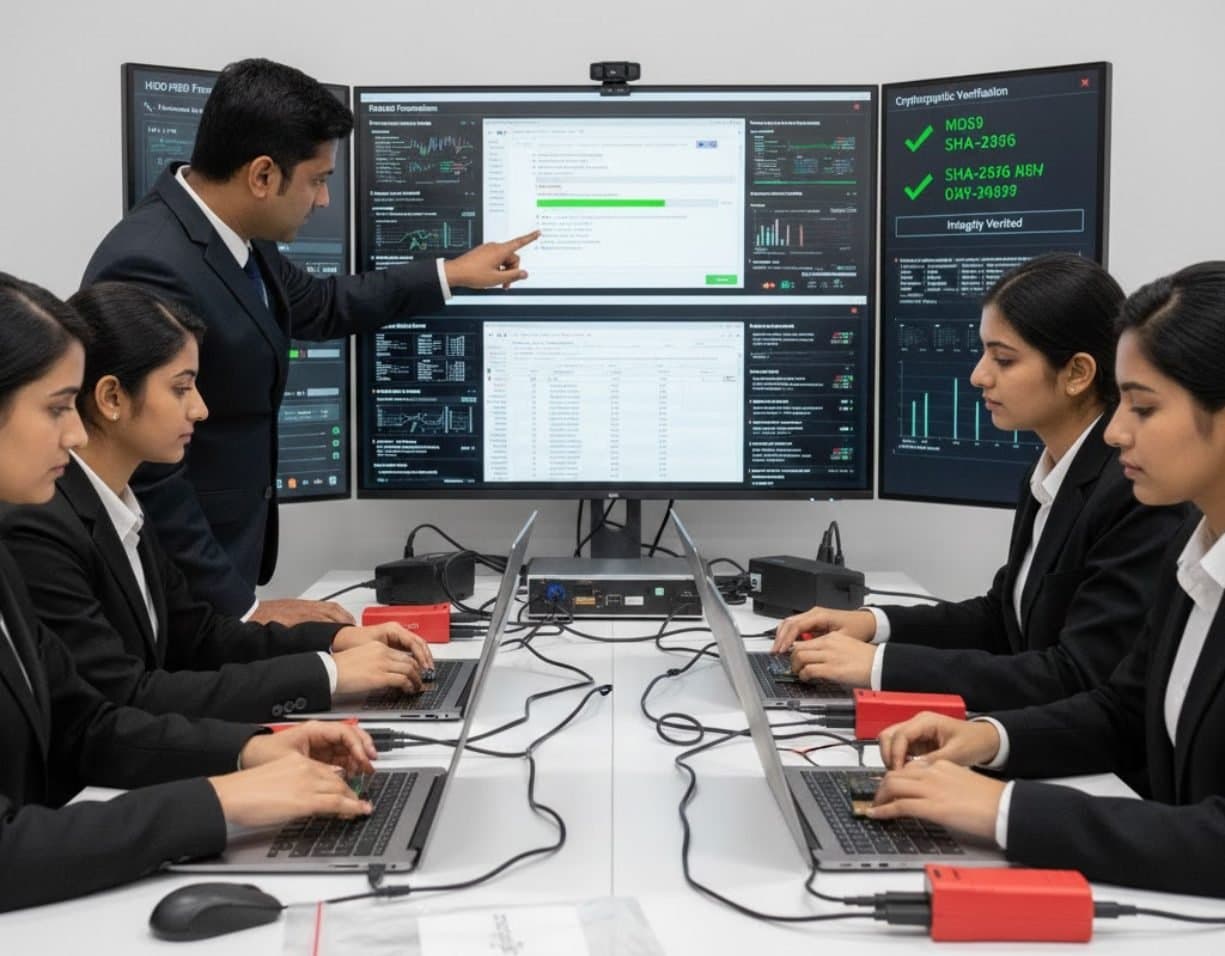 StorageDigital Storage ForensicsUSB / Pen Drive ForensicsExamine pen drives and memory sticks and prove which USB device touched which computer.StorageDigital Storage ForensicsHDD ForensicsImage hard drives through a write-blocker, find hidden areas and recover deleted data.
 MobileMobile & IoT ForensicsSIM / Memory Card ForensicsICCID, IMSI and SMS from SIM cards, plus FAT and exFAT recovery from SD and microSD cards
 LegalFoundation & Legal CoursesForensic Report WritingWrite clear forensic reports that answer the questions asked and survive cross-examination.
Disciplines to read first
Questions people ask
Is this an entry-level job?
Yes. It is the most common first post in a forensic lab and the one the DFRTI internship work is closest to. Many examiners started here.
Which qualification do labs look for?
Government laboratories set their own requirements, often a science or IT degree or diploma. Private labs care most about whether you can image a drive correctly and keep records that pass review. Ask the specific lab.
Can I learn this without a lab?
The documentation habits and the theory, yes. Imaging and hardware handling need equipment. The DFRTI storage labs and the USB / Pen Drive Forensics course give that practice on real media.
How do I move from technician to examiner?
By learning analysis alongside acquisition. File System Analysis and HDD Forensics are the usual next steps, then small examinations under supervision.
Career guides describe typical work and skills. They do not promise employment, placement or a salary, and roles vary between employers and countries.
Ready to start?
Tell a counsellor where you are today. They will suggest the first course and the track that leads to this role.