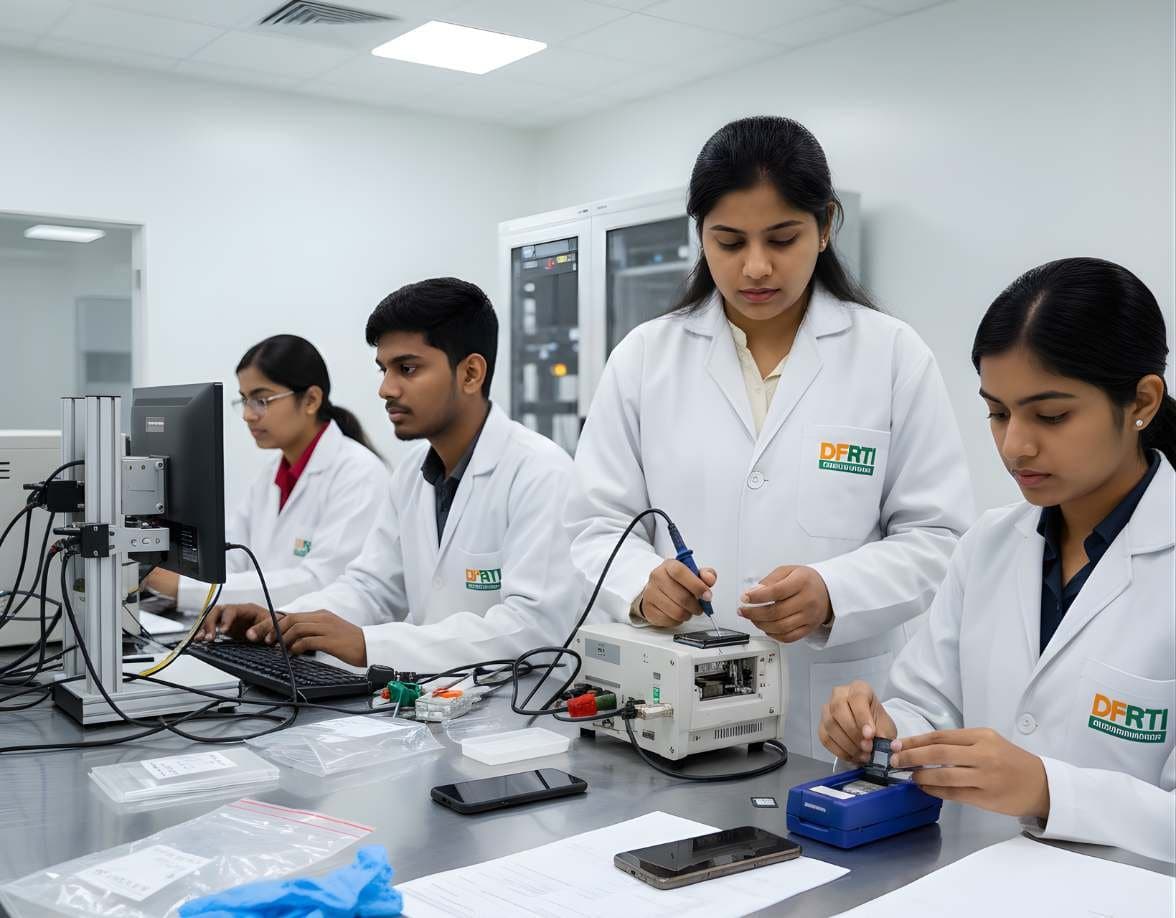
 MobileMobile & IoT ForensicsAndroid ForensicsExtract and examine Android phones, from ADB pulls to WhatsApp databases and ALEAPP reports
Cellebrite
Cellebrite UFED
UFED is the name most examiners know for Cellebrite's phone extraction tool. Today it continues as the access and extraction part of the Inseyets suite.
PlatformCommercialTransitioning
Profile
- Manufacturer
- Cellebrite
- Category
- Mobile forensics
- Product type
- Platform
- Platforms
- Not stated by the manufacturer
- Licensing
- Commercial
- Product status
- Transitioning
- Educational level
- Intermediate
- Last verified
- 2 November 2026
Cellebrite's UFED page now presents UFED as Inseyets.UFED, the access and extraction component of Inseyets. The Inseyets FAQ lists UFED Ultimate (UFED4PC with Physical Analyzer) among products being discontinued while users are moved to Inseyets. No end-of-support date is published on these pages.
What Cellebrite UFED is
UFED stands for Universal Forensic Extraction Device. For many years it was the unit or the computer program that an examiner connected a seized phone to, so the phone's contents could be copied in a controlled and recorded way. Those copies come in grades. A logical extraction asks the phone's own software for data such as contacts, call logs and messages. A file system extraction copies the folders and database files that apps keep, which gives far more than the logical view. A physical extraction tries to copy the storage at a lower level, which on a modern encrypted phone is rarely possible without a separate access capability.
Cellebrite now describes UFED as the extraction engine of Inseyets and its own pages call it Inseyets.UFED. The older bundle sold as UFED Ultimate, which paired UFED 4PC with Physical Analyzer, sits on Cellebrite's list of products being discontinued as customers move to Inseyets. The examiner's job has not changed much. One still has to decide which extraction type a given handset allows, keep the phone isolated from mobile and Wi-Fi networks during the work and record every setting and hash so the extraction can be explained in court.
Primary applications
Where it is used
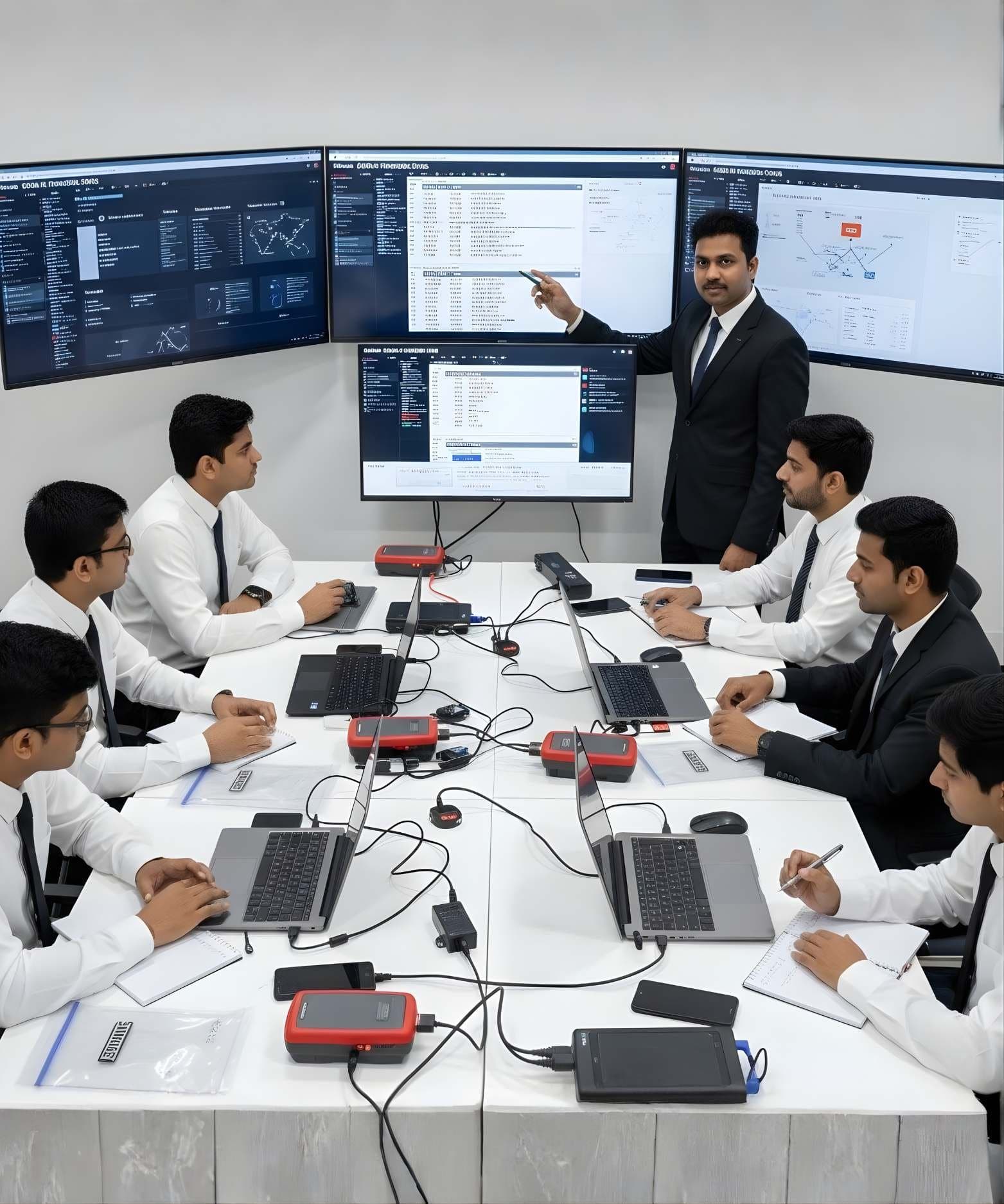
- Extracting data from Android and iOS handsets under a court order or written consent
- Choosing between logical, file system and physical extraction for a particular device
- Producing an extraction file that Physical Analyzer or Inseyets.PA can decode
- Dealing with feature phones, SIM cards and memory cards that still turn up in Indian case loads
- Recording extraction settings and hash values for the case file
Who uses it
- Police and central agency mobile examiners
- Forensic science laboratory analysts
- Private digital forensic consultants working on authorised matters
- Students learning mobile acquisition concepts
Capabilities and limits
Major capabilities
- Logical, file system and physical extraction methods, selected per device
- Serves as the access and extraction component of the Inseyets suite
- Hands extractions to Physical Analyzer or Inseyets.PA for decoding and analysis
- Has shipped both as PC software and as Touch hardware units; Touch3 needs an upgrade kit for Inseyets
- Needs a Cellebrite Max dongle in its Inseyets form
- Writes extraction logs and hashes for each job
Technical limitations
- A locked, encrypted modern phone often allows only a limited extraction unless an advanced access capability is licensed separately
- Touch2 units are not supported for Inseyets and Touch3 is described as not optimal for full capability, so older kits need review
- Extraction is only half the work; reading the data needs Physical Analyzer or Inseyets.PA
- Device support changes with each release, so a lab must keep its subscription and release notes current
Learning with DFRTI
Independent professional education covering the principles and workflows of Cellebrite UFED. DFRTI is not a vendor training centre and its courses are not vendor certifications.
Before you learn it
- How Android and iOS store app data and why encryption limits what can be copied
- The difference between logical, file system and physical extraction
- Evidence handling basics: isolation, documentation and hashing
Disciplines
Related tools
- Cellebrite InseyetsInseyets is Cellebrite's current flagship for mobile evidence. It puts the extraction side (Inseyets.UFED) and the decoding side (Inseyets.PA) under one name and one licence.Cellebrite
- Cellebrite Physical AnalyzerPhysical Analyzer is the decoding and analysis side of Cellebrite's mobile workflow. PA 7 is being discontinued and the database-backed PA Ultra has become Inseyets.PA 10.x.Cellebrite
- MSAB XRYXRY is MSAB's mobile data extraction software, sold as a family of modules and delivered on office, field, kiosk and tablet platforms. Its output is analysed in XAMN and managed through XEC.MSAB
- Oxygen Forensic DetectiveOxygen Forensic Detective is an all-in-one extraction and analysis tool for phones, cloud accounts, drones and other connected devices. On 2 November 2026 the maker's website could not be checked, so this profile is marked unverified.Oxygen Forensics
- MOBILedit ForensicCompelson now sells its phone forensics tool as MOBILedit Forensic. The Forensic Express name survives only in old web addresses. The product comes in editions, from a single-phone licence to the ULTRA edition that the maker classes as a dual-use item.Compelson
Courses that cover this tool
MobileMobile & IoT ForensicsAndroid ForensicsExtract and examine Android phones, from ADB pulls to WhatsApp databases and ALEAPP reports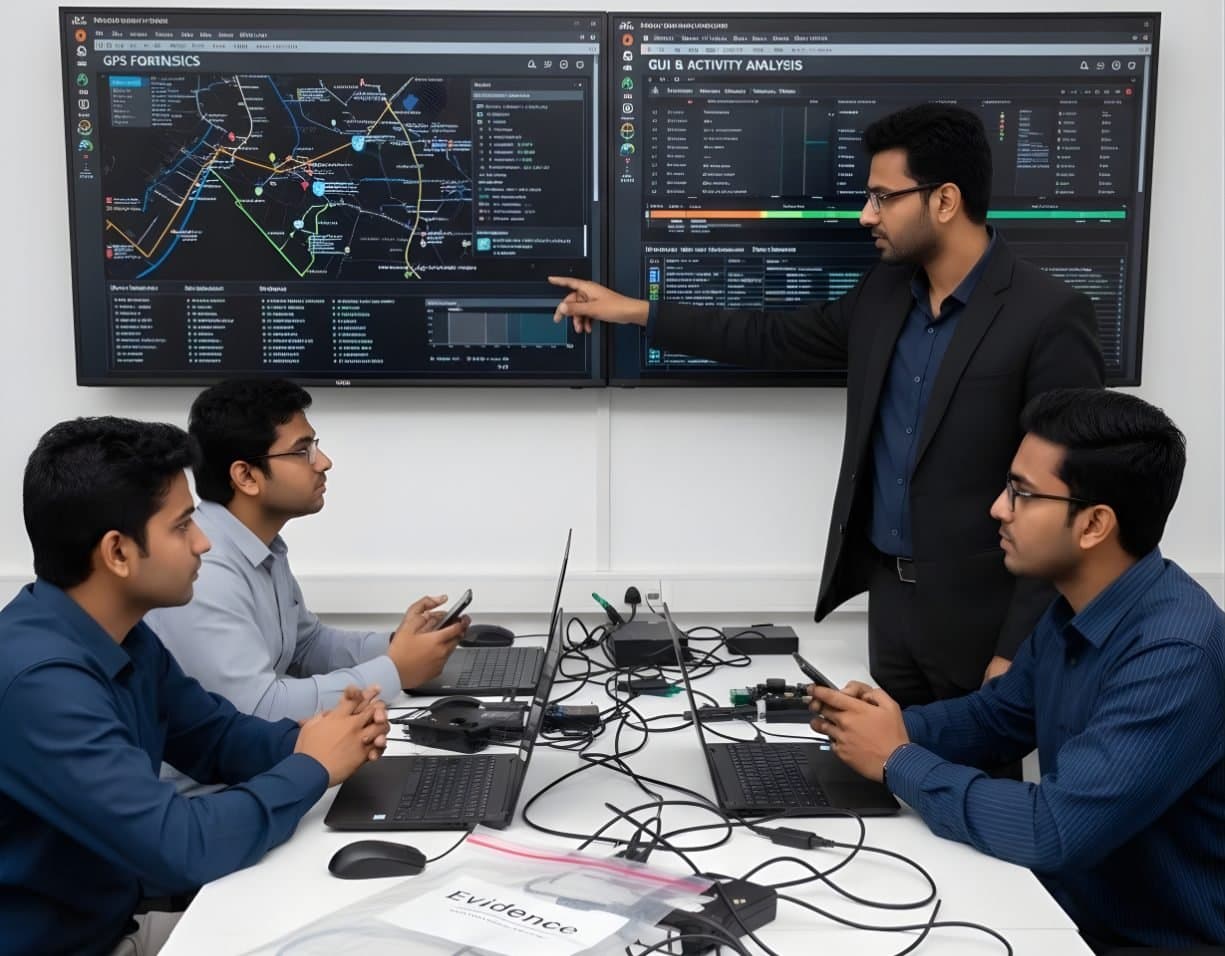 MobileMobile & IoT ForensicsiOS ForensicsBFU and AFU states, iTunes and Finder backups, the keychain and iLEAPP for iPhone cases
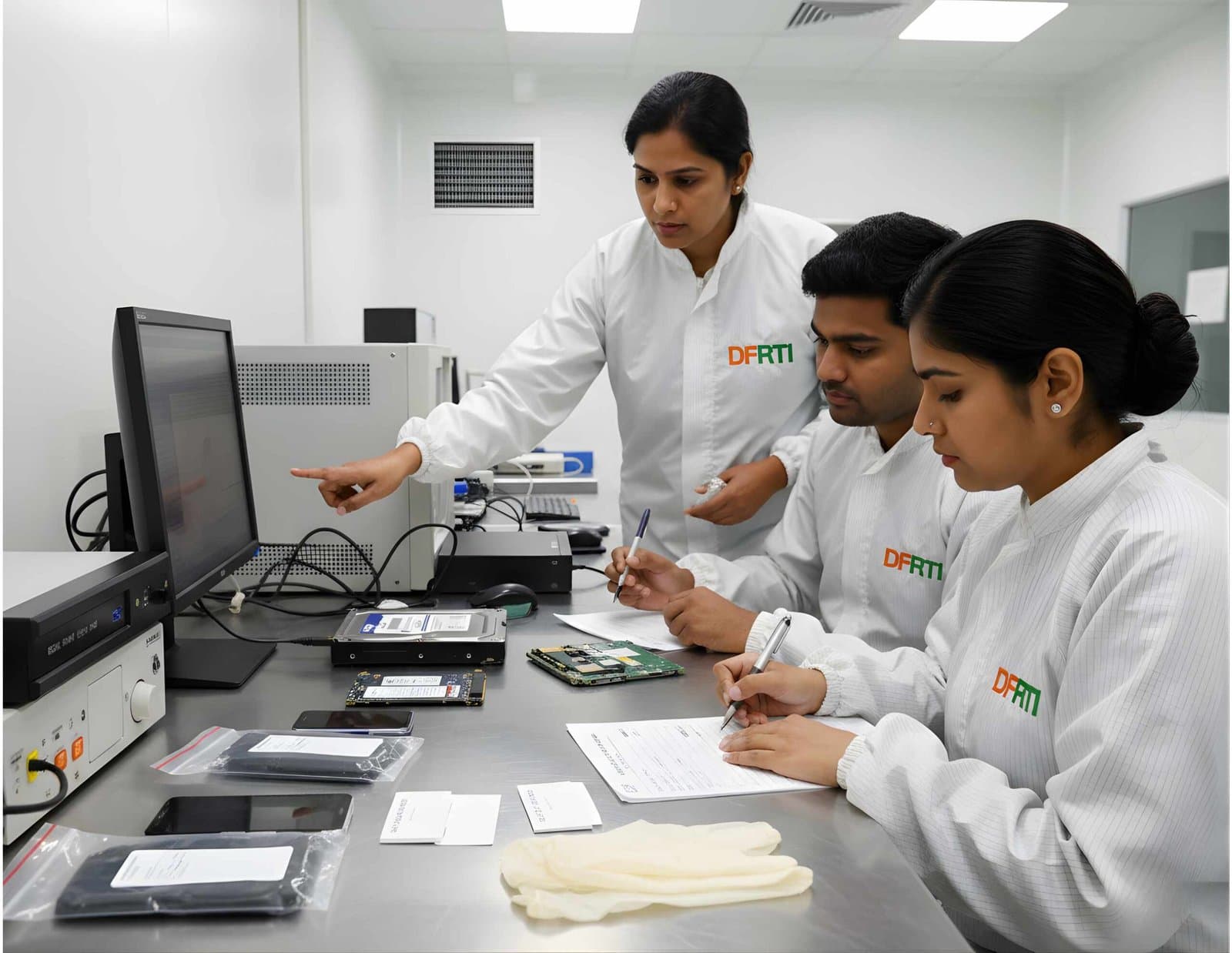 MobileMobile & IoT ForensicsSIM / Memory Card ForensicsICCID, IMSI and SMS from SIM cards, plus FAT and exFAT recovery from SD and microSD cards
Official source
Product names and trademarks belong to their respective owners. DFRTI is an independent educational and research institute. Inclusion in this directory does not imply manufacturer endorsement, partnership or authorisation. Facts are checked against the manufacturer's public documentation on the date shown and may have changed since.
Go deeper with DFRTI
Free pages explain the ground. Structured courses, lab work and a mentor take you from knowing about it to doing it on a case.