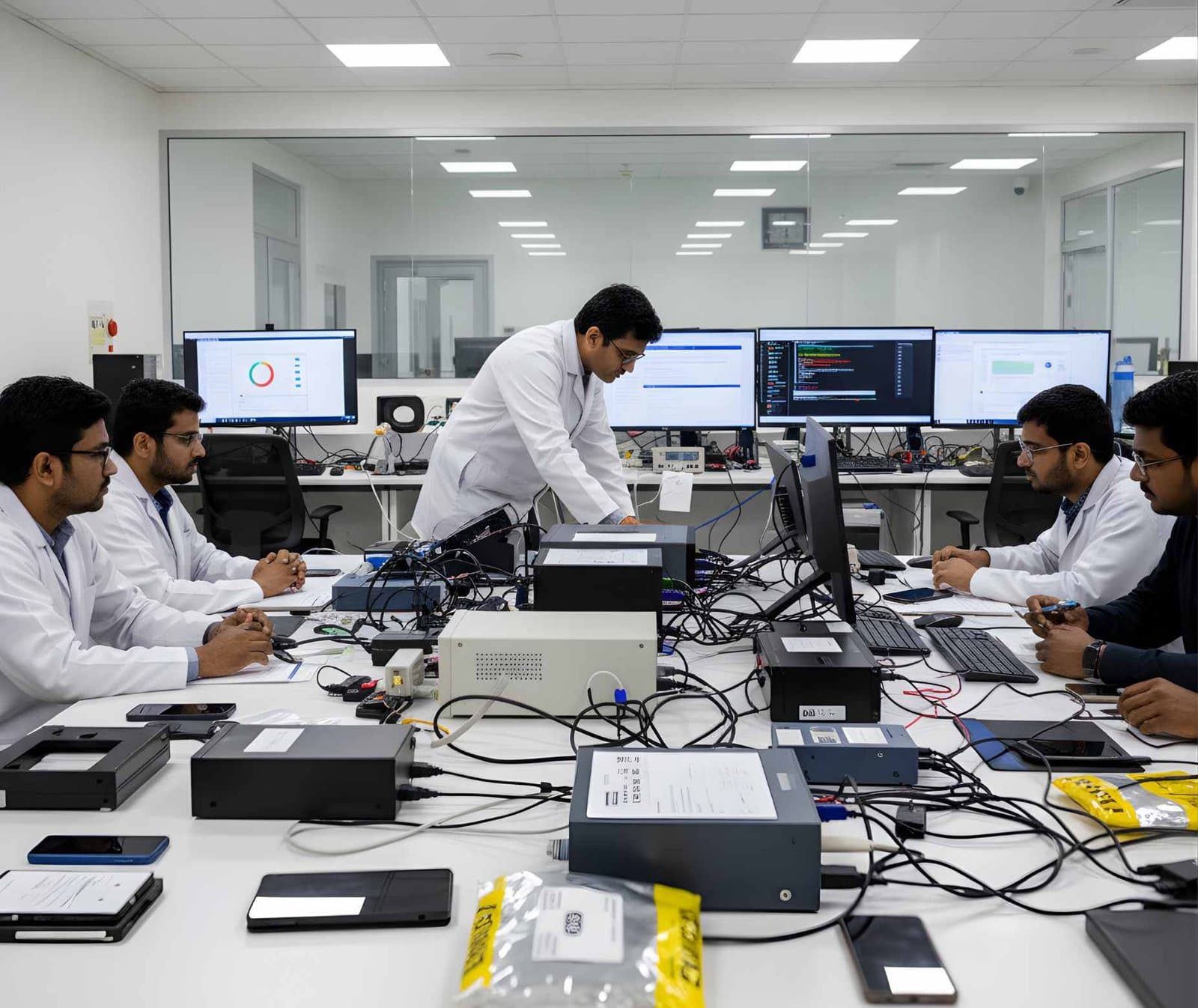
 LegalFoundation & Legal CoursesBasics of Cyber ForensicsStart here. Evidence handling, imaging, hashing, chain of custody and your first analysis.
Digital Forensic Examiner
The examiner is the generalist of digital evidence. One week it is a laptop from an office, the next a phone and a pen drive from a fraud complaint, and the job is to find what is there, prove how it was found and explain it to people who were not in the lab.
Career guide8 skills6 courses
What the work is
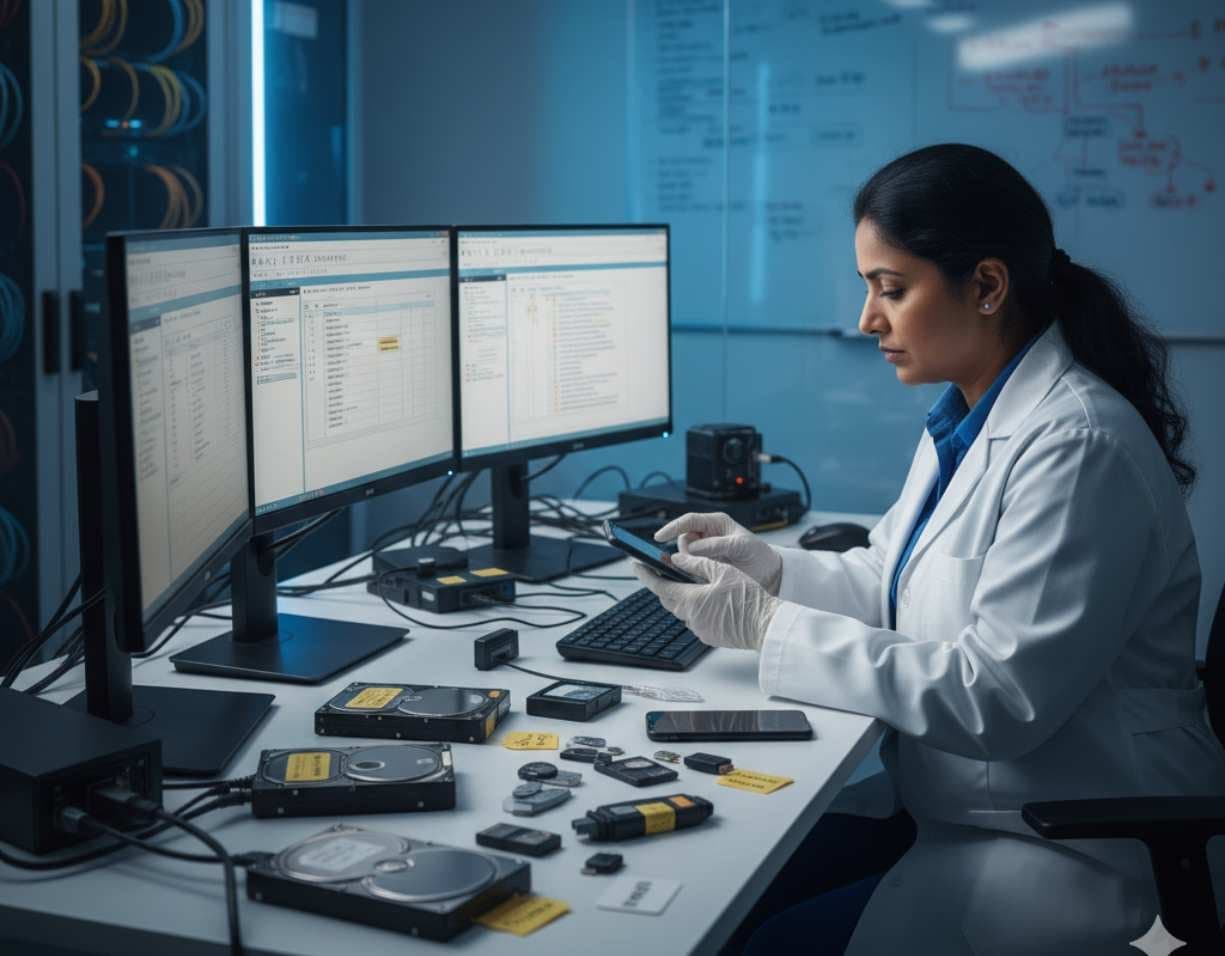
- Receives exhibits, records their condition and serial numbers and keeps the chain of custody record complete from the first minute.
- Takes forensic images of hard disks, SSDs, pen drives and phones through write-blockers and acquisition tools, then verifies every image by hash.
- Works through the image to recover deleted files, read file system metadata, build timelines and connect activity to a user account.
- Separates what the evidence shows from what it suggests and writes both down with the reasoning in between.
- Writes reports a police officer, lawyer or manager can follow without a technical background, with the method described so another examiner could repeat it.
- Answers questions about the findings in meetings, in written replies to counsel and sometimes in court.
- Tests and documents tools before they are used on a case and records their limits when a result is uncertain.
Skills to build
- File systems such as NTFS, FAT, exFAT, ext4 and APFS, including where deleted data survives
- Forensic imaging and hash verification, with the discipline to repeat the verification every time
- Windows, Linux and macOS artefacts: registry, logs, recent files, shellbags and their equivalents
- Basic mobile acquisition and the sense to know when a phone needs a specialist
- Timeline building across several devices and time zones
- Clear written English and a neutral tone in reports
- Working knowledge of Indian law on electronic records and of ISO/IEC 27037:2012 for handling evidence
- Patience with long searches and the honesty to report a negative result
Tools you will meet
How the role grows
Stages, not promises. Titles differ between employers and the time each stage takes depends on the cases you get to work on.
- 01Forensic Intern or Junior Technician
Logs exhibits, images media under supervision and learns to write notes that stand up to review. Most of the learning is in the correction.
- 02Digital Forensic Examiner
Owns cases end to end, from acquisition to report, and starts speaking to investigators and counsel directly.
- 03Senior Examiner
Takes the difficult or disputed cases, peer-reviews the reports of other examiners and gives evidence when needed.
- 04Lab Lead or Forensic Consultant
Sets procedures, validates tools, manages quality and advises clients or agencies on what an examination can and cannot establish.
Start at DFRTI
LegalFoundation & Legal CoursesBasics of Cyber ForensicsStart here. Evidence handling, imaging, hashing, chain of custody and your first analysis.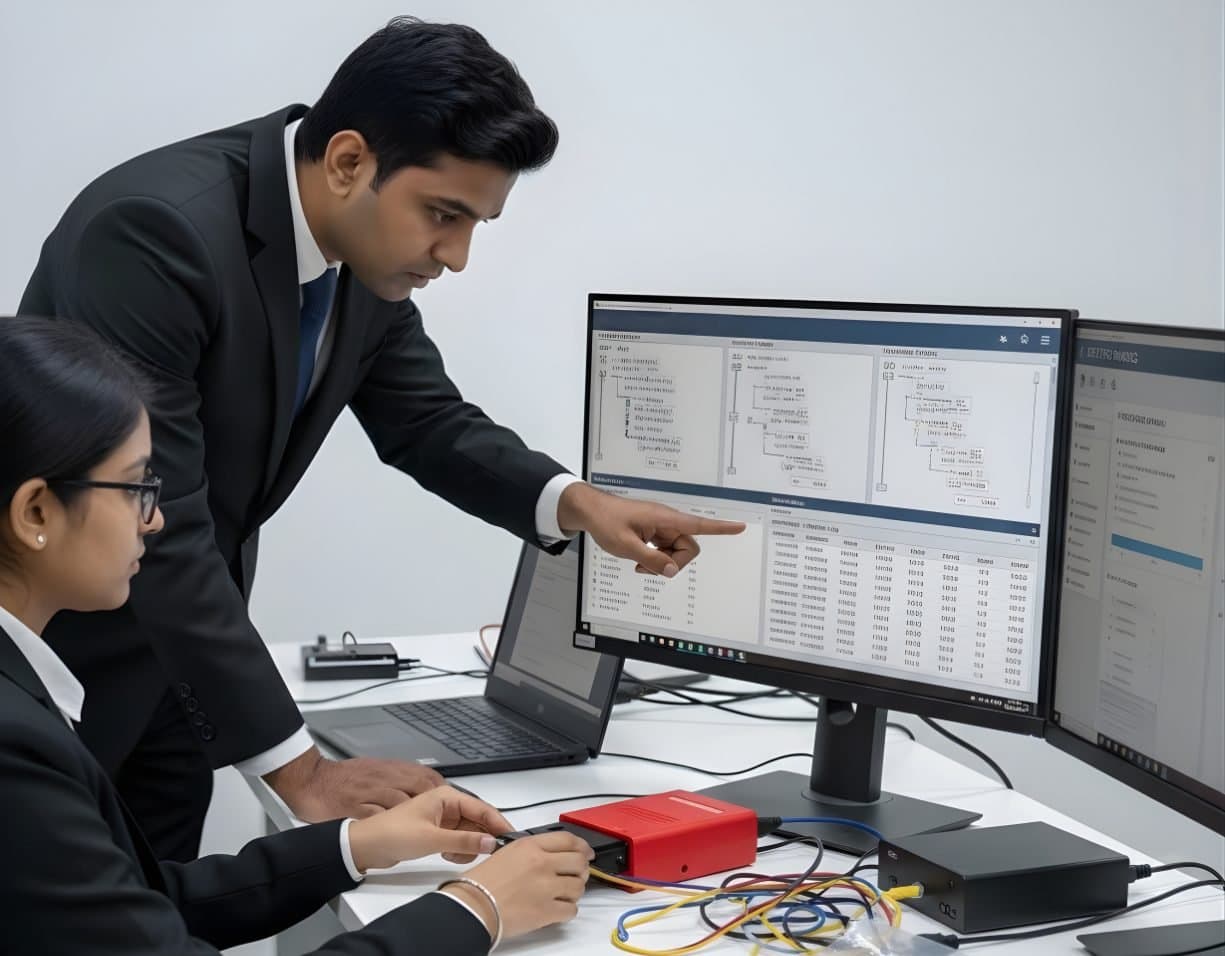 StorageDigital Storage ForensicsFile System AnalysisRead NTFS, FAT, exFAT, ext4 and APFS at the structure level and build timelines.
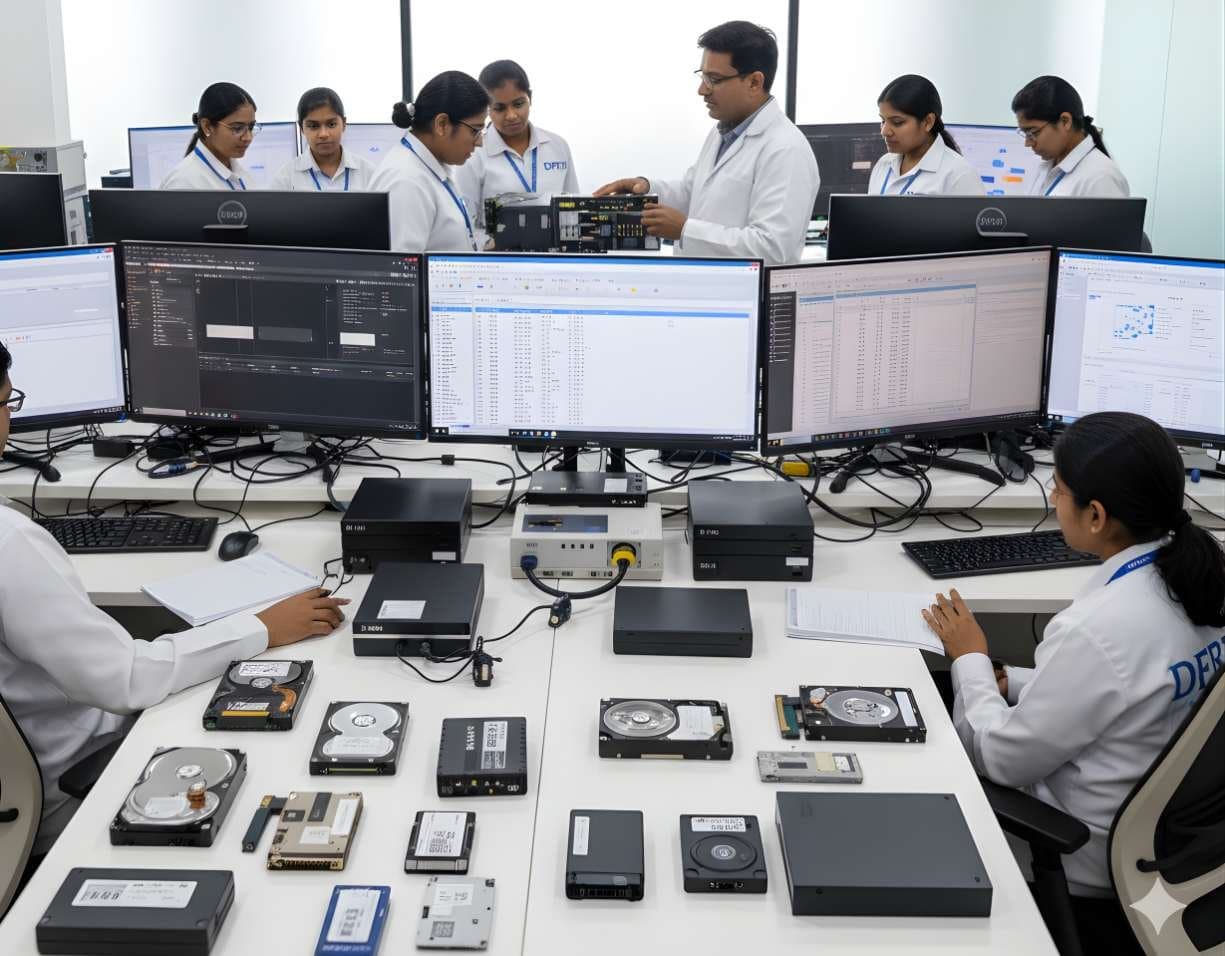 StorageDigital Storage ForensicsHDD ForensicsImage hard drives through a write-blocker, find hidden areas and recover deleted data.
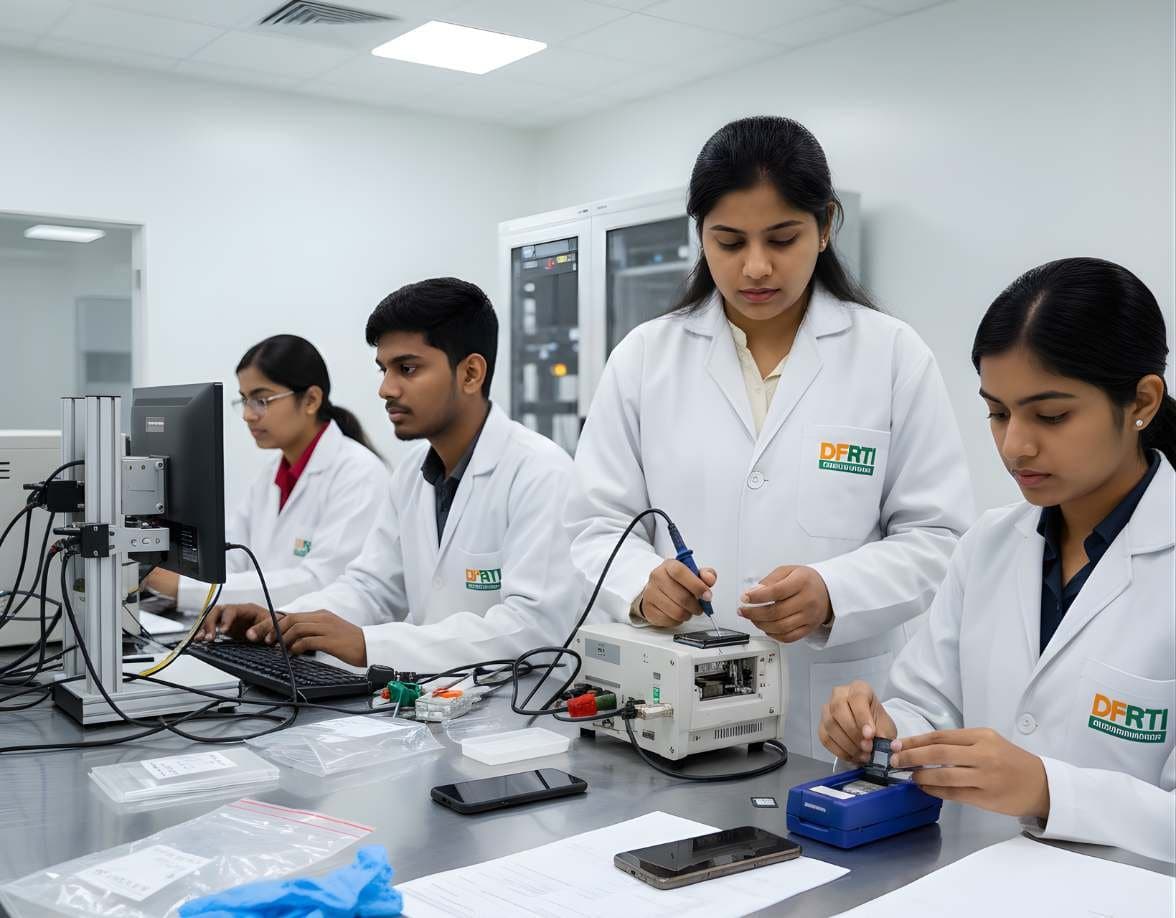 MobileMobile & IoT ForensicsAndroid ForensicsExtract and examine Android phones, from ADB pulls to WhatsApp databases and ALEAPP reports
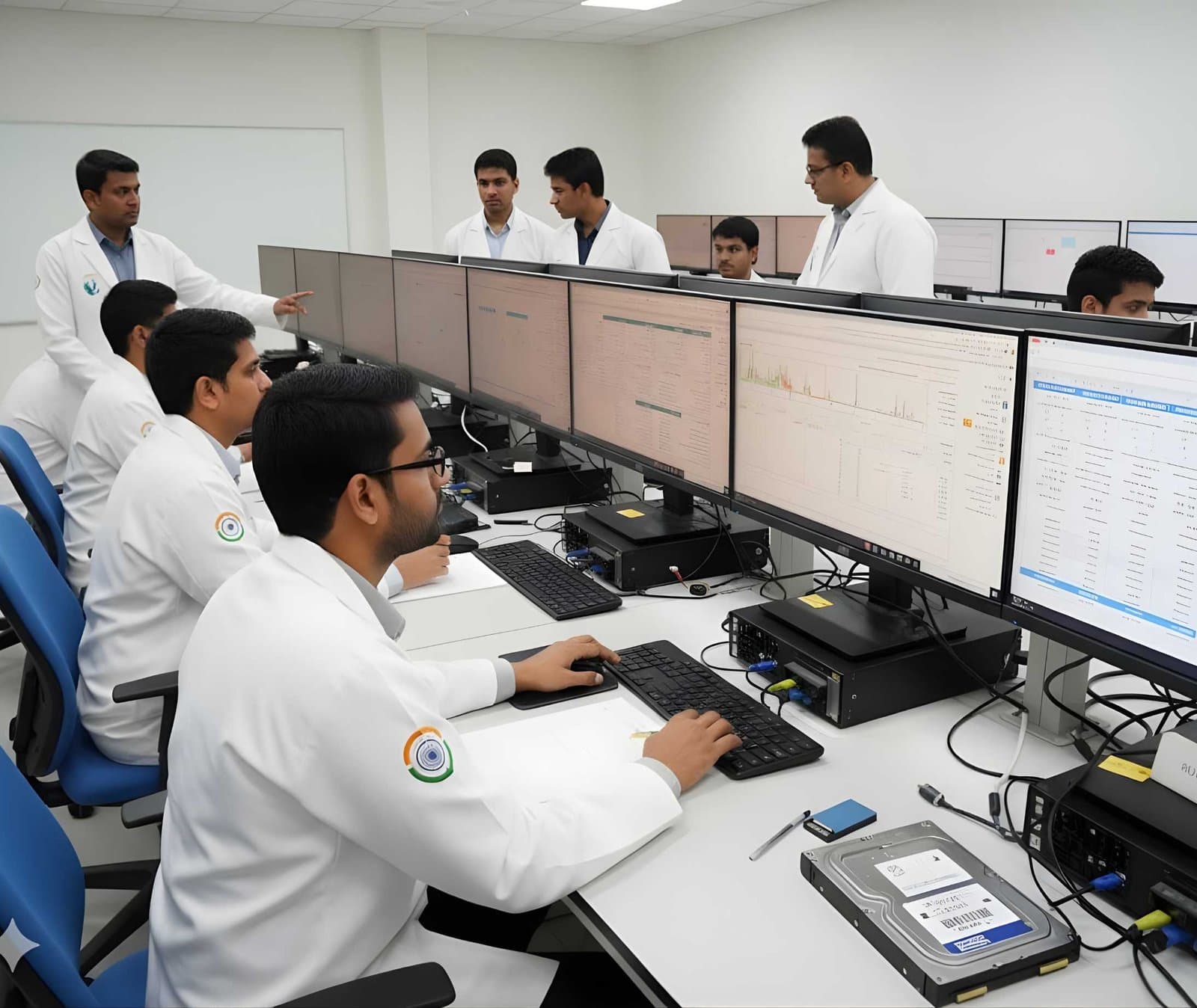 LegalFoundation & Legal CoursesForensic Report WritingWrite clear forensic reports that answer the questions asked and survive cross-examination.
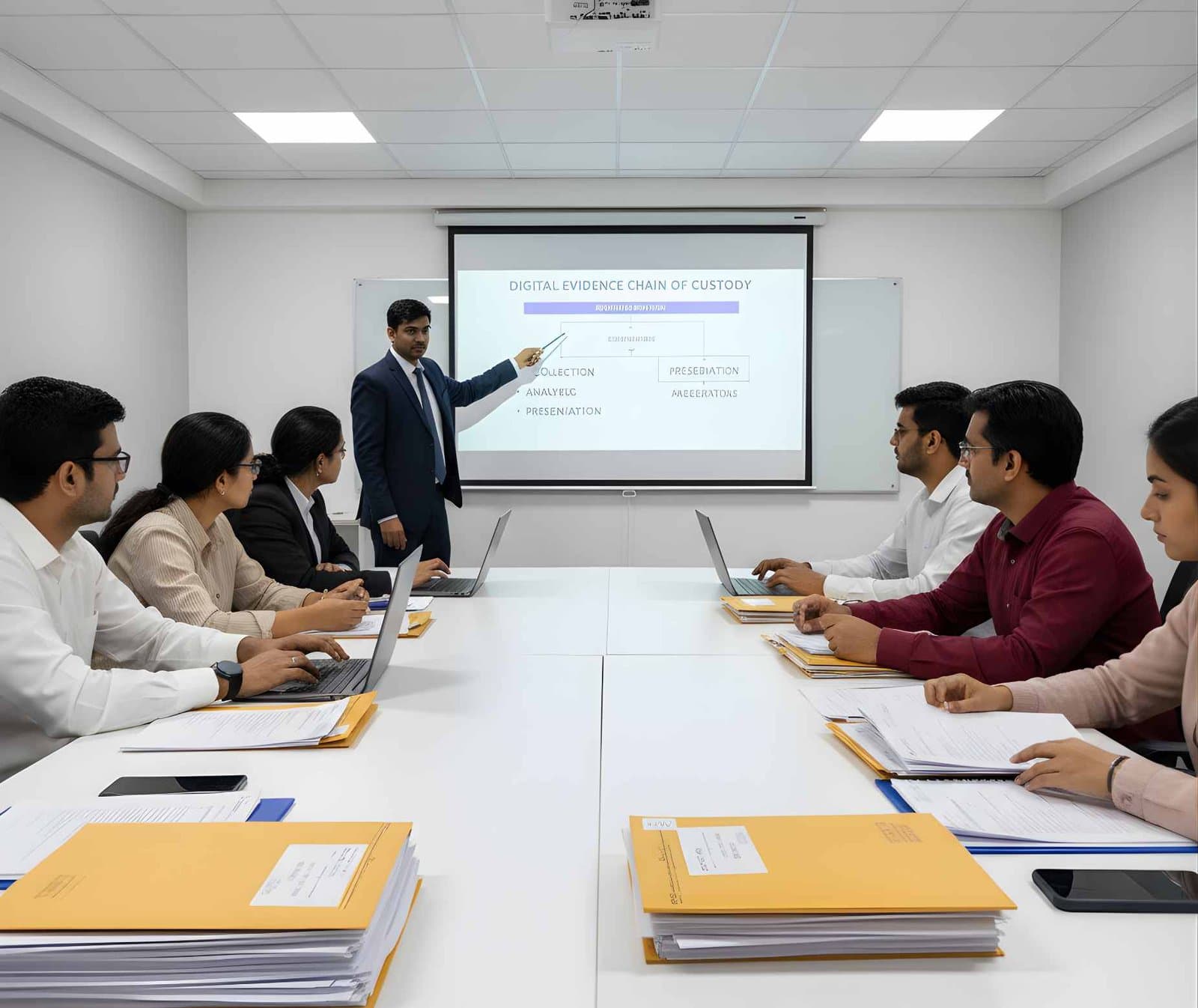 LegalFoundation & Legal CoursesLegal & Court ProceduresIndian law on electronic evidence: BSA Section 63, BNSS search and seizure and the IT Act.
Disciplines to read first
Questions people ask
Do I need a degree to become a digital forensic examiner?
Government laboratories and police posts usually ask for a degree in forensic science, computer science or a related subject, and sometimes a specific one. Private labs and companies look more at what you can do with an image. A degree opens more doors but the examination skill is what gets you through them.
Which DFRTI course should I start with?
Basics of Cyber Forensics, then File System Analysis. Those two cover the ground every later course assumes. Forensic Report Writing taken early pays back on every case after it.
How long before I can be trusted with a case on my own?
That depends on the cases you see and the person reviewing you, not on a fixed period. Most labs let a new examiner image and process exhibits under supervision first and hand over full cases once the notes and reports pass review without rework.
Is this the same as ethical hacking?
No. Ethical hacking tests the security of systems with permission. Forensic examination reconstructs what happened on a device for an investigation, under legal authority, with the evidence preserved. The two share computer knowledge but the mindset and the rules are different.
Career guides describe typical work and skills. They do not promise employment, placement or a salary, and roles vary between employers and countries.
Ready to start?
Tell a counsellor where you are today. They will suggest the first course and the track that leads to this role.