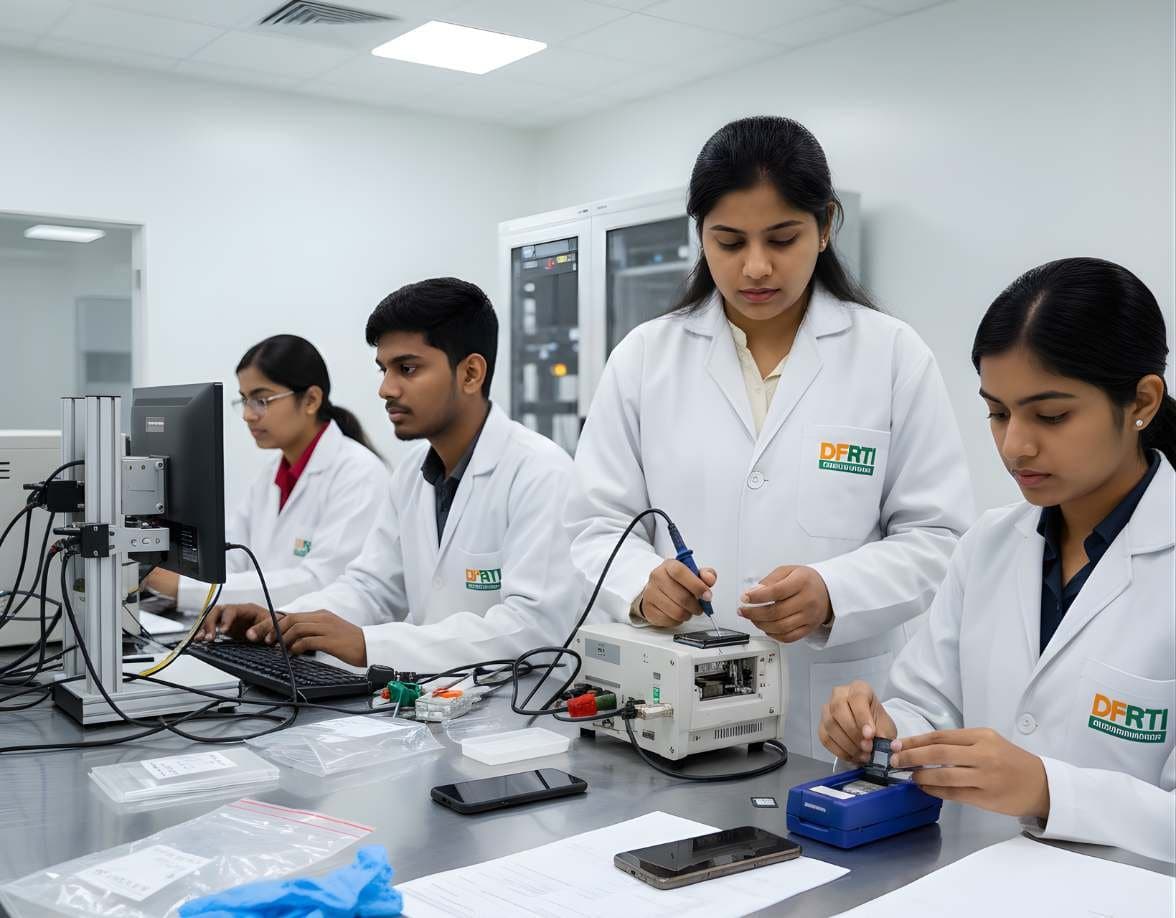
 MobileMobile & IoT ForensicsAndroid ForensicsExtract and examine Android phones, from ADB pulls to WhatsApp databases and ALEAPP reports
Mobile Forensic Analyst
Phones carry more of a case than any other device. The mobile analyst extracts that data lawfully, decodes it and says clearly what could and could not be recovered.
Career guide8 skills6 courses
What the work is
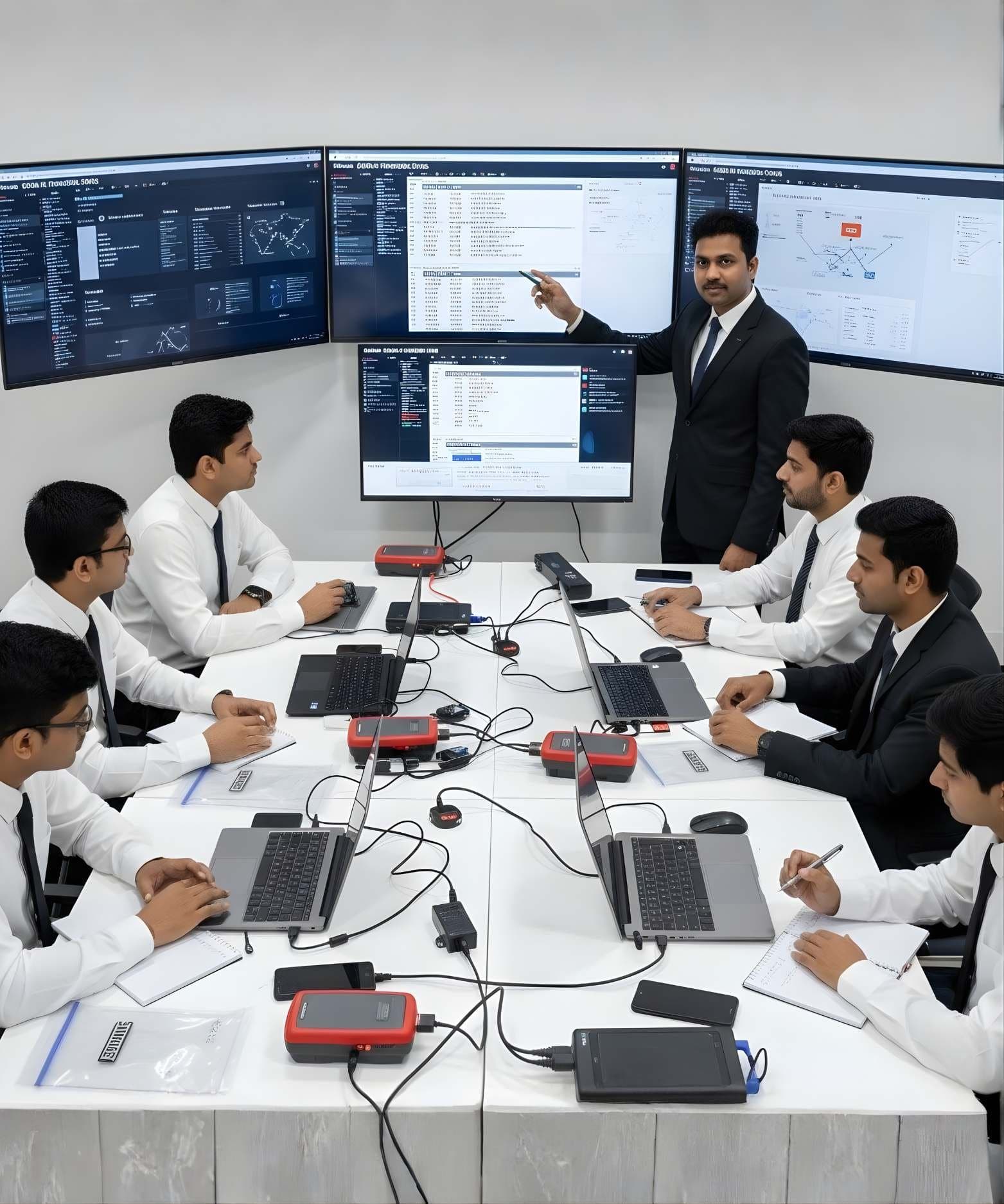
- Isolates seized phones from networks, documents their state and decides which extraction the device and the authorisation allow.
- Runs logical, file system and, where supported, physical extractions with tools such as Cellebrite UFED or MSAB XRY and checks the output against the handset itself.
- Decodes chats, call records, photos, location history and app databases, including SQLite files the tool did not parse.
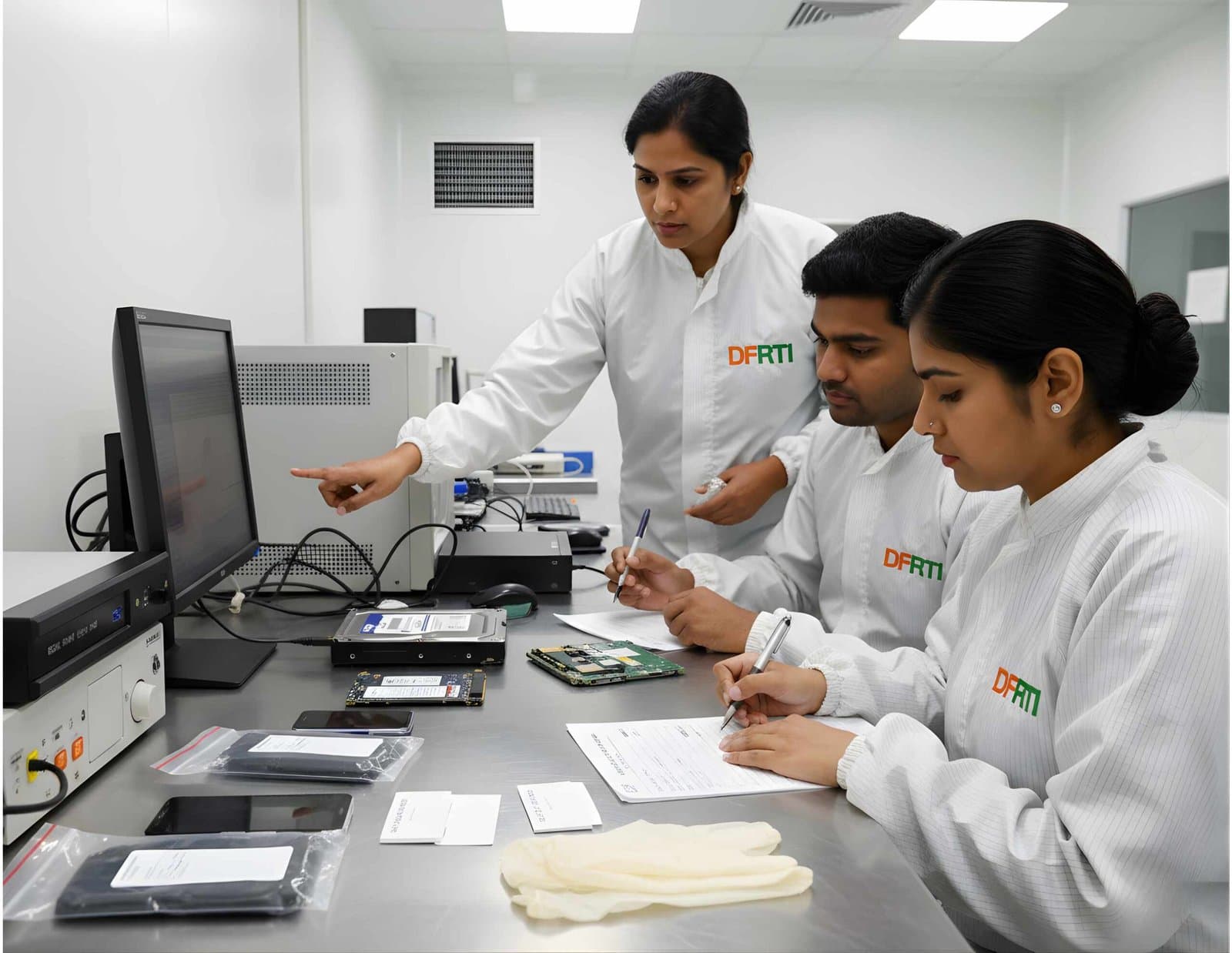
- Handles SIM cards, memory cards and cloud backups linked to the phone through proper legal requests.
- Explains gaps honestly: a locked device, an unsupported app version or deleted data that was overwritten.
- Prepares reports and reader files that investigators can search themselves, and defends the method when it is challenged.
Skills to build
- Android and iOS internals: file layout, app sandboxes, backups and encryption at rest
- SQLite and plist analysis for the apps commercial tools miss
- The extraction types and what each one can and cannot reach
- Faraday isolation, airplane mode and the handling habits that stop a remote wipe
- Reading timestamps across apps, time zones and formats
- Validation by comparing tool output against the device and against a second tool
- Lawful authorisation for device access and the limits of advanced access methods
- Reporting chats and media in a way a court can follow
Tools you will meet
How the role grows
Stages, not promises. Titles differ between employers and the time each stage takes depends on the cases you get to work on.
- 01Mobile Extraction Technician
Runs standard extractions under direction, learns the handling rules and sees how often the tool output needs a second look.
- 02Mobile Forensic Analyst
Chooses the extraction method, decodes and verifies the data and writes the report. Takes questions from investigators directly.
- 03Senior Mobile Examiner
Handles damaged, locked and unusual devices, reviews junior work and gives evidence on mobile findings.
- 04Advanced Access and Research Specialist
Works on difficult devices within vendor-approved workflows and lab governance, tests new tool versions and writes parsers for unsupported apps.
- 05Mobile Forensics Lead
Runs the mobile unit, decides which tools the lab buys and validates, and sets the procedures everyone follows.
Start at DFRTI
MobileMobile & IoT ForensicsAndroid ForensicsExtract and examine Android phones, from ADB pulls to WhatsApp databases and ALEAPP reports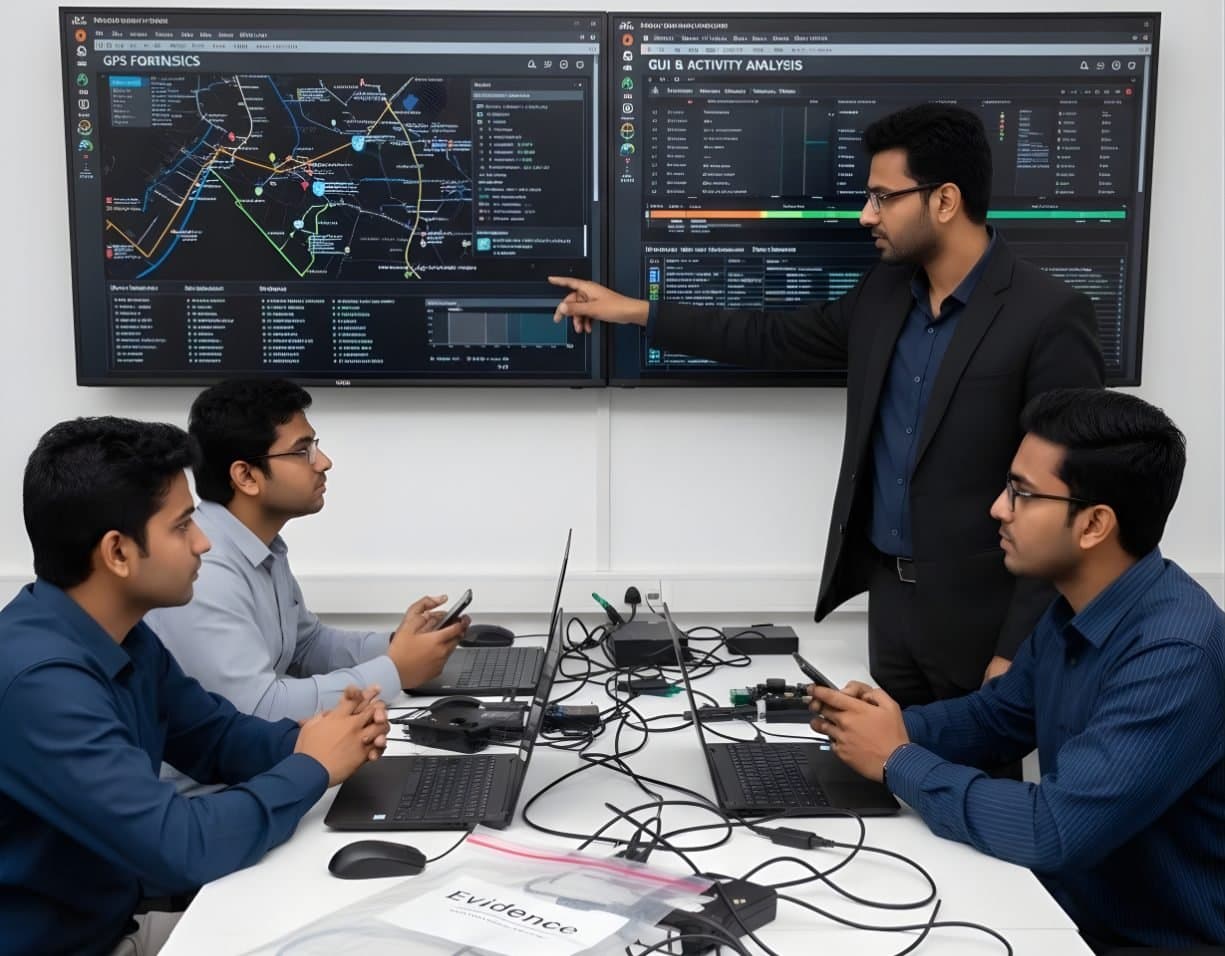 MobileMobile & IoT ForensicsiOS ForensicsBFU and AFU states, iTunes and Finder backups, the keychain and iLEAPP for iPhone cases
 MobileMobile & IoT ForensicsSIM / Memory Card ForensicsICCID, IMSI and SMS from SIM cards, plus FAT and exFAT recovery from SD and microSD cards
 NetworkNetwork & Cloud ForensicsCloud Storage InvestigationCollect and read AWS, Microsoft 365 and Google Workspace logs as sound evidence.
 LegalFoundation & Legal CoursesBasics of Cyber ForensicsStart here. Evidence handling, imaging, hashing, chain of custody and your first analysis.
 LegalFoundation & Legal CoursesForensic Report WritingWrite clear forensic reports that answer the questions asked and survive cross-examination.
Disciplines to read first
Questions people ask
Do I need to know programming?
Not to start. Commercial tools do most of the extraction and decoding. Python helps a great deal once you meet an app the tool does not parse, and that happens on real cases more often than beginners expect.
Which certification fits this role?
DCMFE, the DFRTI Mobile Forensics Expert certification, is built for it. Android Forensics and iOS Forensics are the courses that lead there.
Can I learn without access to Cellebrite or XRY?
Up to a point. Android backups, test phones you own and open-source parsers teach the data structures. The commercial tools are learnt in a lab, which is why DFRTI runs its mobile labs on them.
Does the job involve breaking into phones?
No. An analyst works on devices there is legal authority to examine. Where a device is locked, the options are the cooperation of the owner, the legal process and vendor-approved workflows in a controlled lab. Anything else is outside the job and outside the law.
Career guides describe typical work and skills. They do not promise employment, placement or a salary, and roles vary between employers and countries.
Ready to start?
Tell a counsellor where you are today. They will suggest the first course and the track that leads to this role.