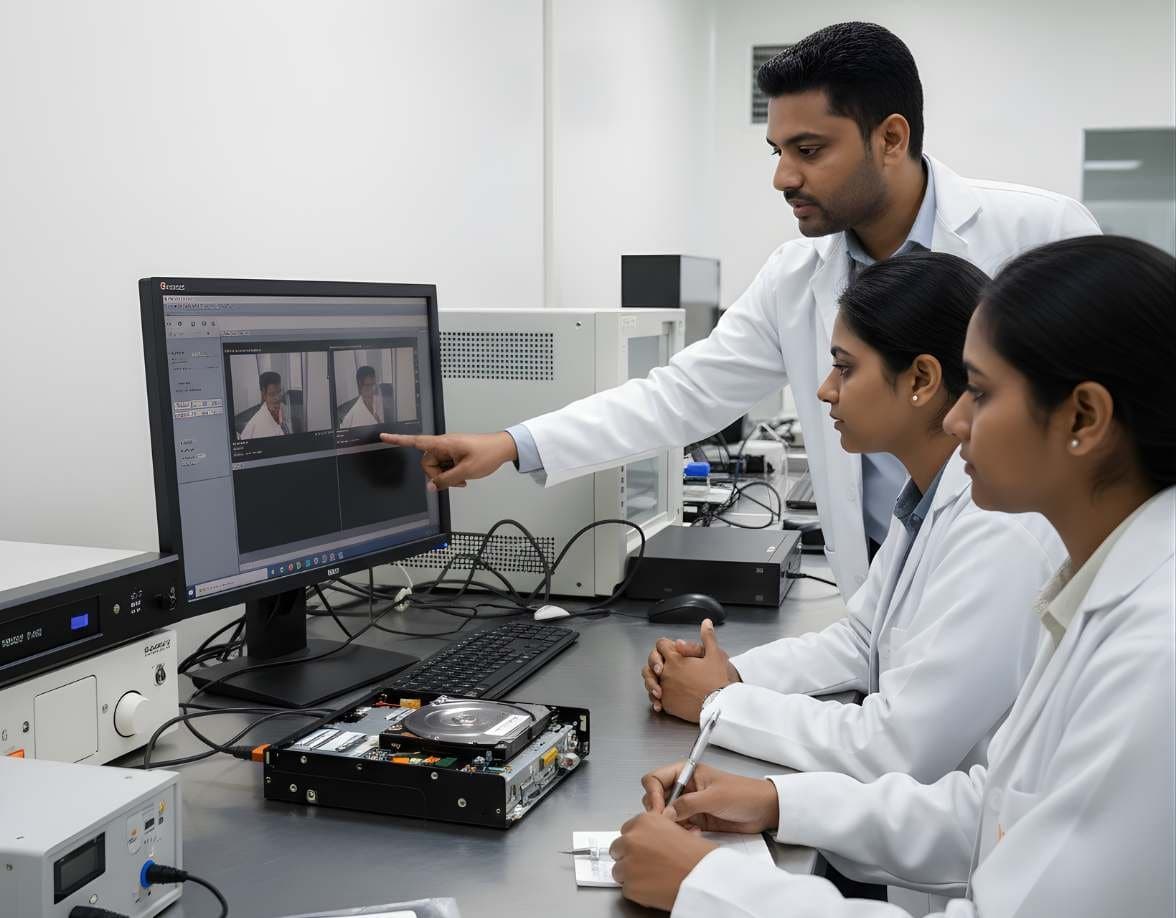
 VideoSurveillance & Image / Video ForensicsCCTV / DVR AnalysisExport footage from Hikvision, Dahua and other DVRs with correct times, frames and hashes
Video Forensic Analyst
CCTV and phone video decide many cases, and most of it arrives in poor shape. The video forensic analyst recovers it, makes it usable without changing what it shows and says whether it is genuine.
Career guide8 skills5 courses
What the work is
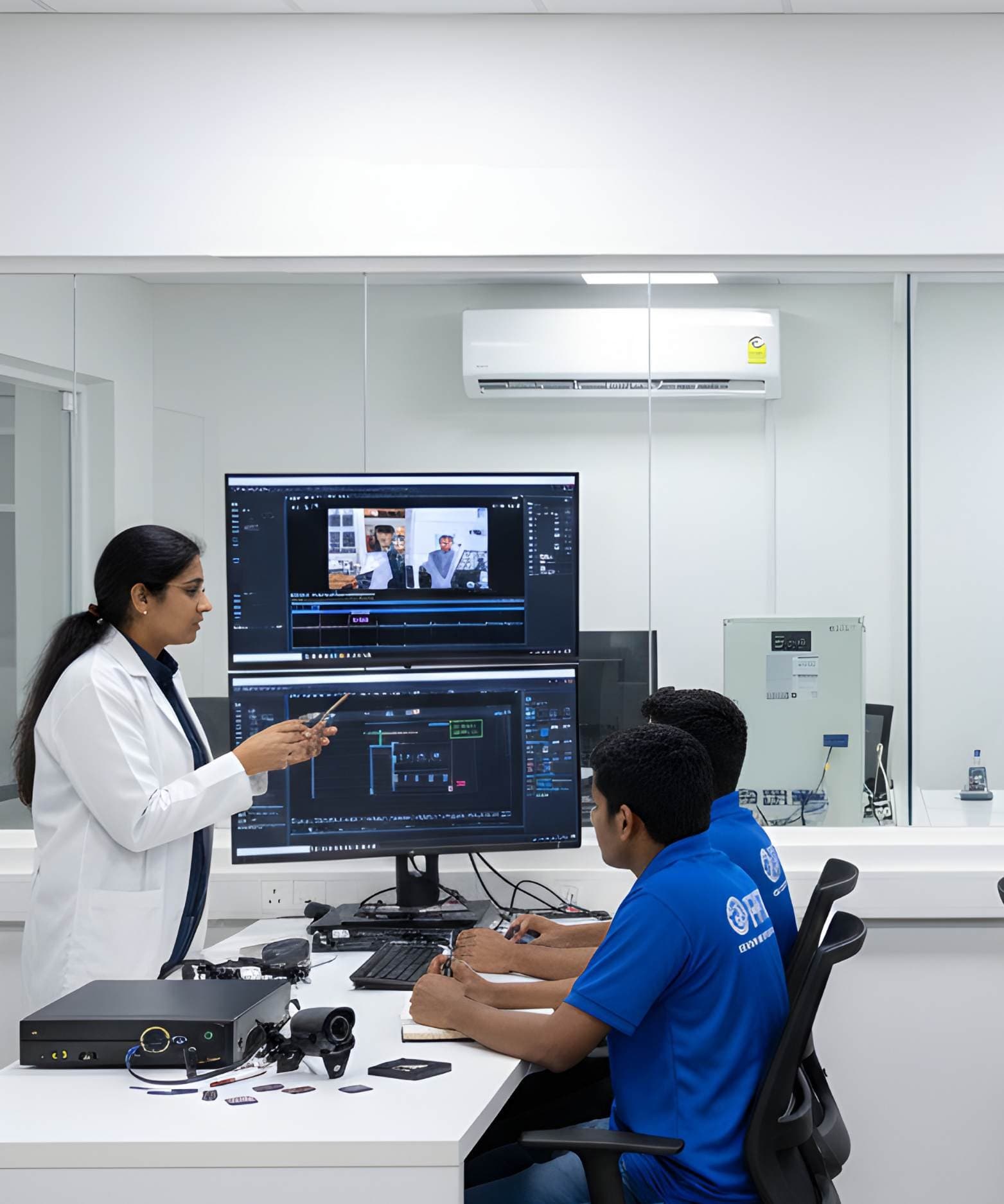
- Recovers footage from DVRs and NVRs in proprietary formats, including deleted or overwritten segments where the file system allows.
- Converts and plays back video correctly, preserving frame rate, aspect ratio and timestamps rather than trusting the default player.
- Enhances footage for clarity, stabilisation and frame comparison, documenting every step so the enhancement is reproducible and never presented as proof.
- Authenticates video and images: compression history, metadata, sensor noise, editing traces and signs of AI generation.
- Measures and compares: height estimation, vehicle identification and the timing of events across cameras.
- Explains in reports and in court the difference between what the footage shows, what enhancement made visible and what remains an opinion.
Skills to build
- Video codecs, containers and DVR file systems
- Enhancement methods and their limits, with the discipline to record every parameter
- Image and video authentication: metadata, compression analysis, error level analysis and sensor noise
- Deepfake and synthetic media indicators and the tools that assist, knowing that a detector is not proof
- Photogrammetry and measurement basics
- Amped FIVE, Amped Authenticate, FFmpeg, ExifTool and MediaInfo
- Scientific caution: enhancement, interpretation, authentication and validation kept apart in every report
- Presenting video to a court or a boardroom
Tools you will meet
How the role grows
Stages, not promises. Titles differ between employers and the time each stage takes depends on the cases you get to work on.
- 01Video Technician
Recovers and converts footage, prepares playable copies and learns why the default player lies about frame rate and time.
- 02Video Forensic Analyst
Enhances, compares and authenticates footage and writes reports that keep each of those apart.
- 03Senior Analyst, Authentication and Comparison
Takes the disputed footage, the deepfake questions and the measurement cases, and gives expert evidence.
- 04Multimedia Unit Lead
Runs the image, video and audio unit, validates tools and methods and sets the reporting standard.
Start at DFRTI
VideoSurveillance & Image / Video ForensicsCCTV / DVR AnalysisExport footage from Hikvision, Dahua and other DVRs with correct times, frames and hashes VideoSurveillance & Image / Video ForensicsImage & Video MetadataRead EXIF, XMP, GPS tags and MP4 atoms with ExifTool and know what each field can prove
 VideoSurveillance & Image / Video ForensicsDeepfake / AI ForensicsExamine face swaps and AI-made media, check C2PA provenance and know where detectors fail
 LegalFoundation & Legal CoursesBasics of Cyber ForensicsStart here. Evidence handling, imaging, hashing, chain of custody and your first analysis.
 LegalFoundation & Legal CoursesForensic Report WritingWrite clear forensic reports that answer the questions asked and survive cross-examination.
Disciplines to read first
Questions people ask
Does enhancing a video prove it is real?
No. Enhancement changes how the footage looks so people can see detail. Authentication asks whether the file has been altered. They are different questions with different methods and a report must keep them apart.
Which skills come first?
Understanding how DVRs store video and how codecs work. CCTV / DVR Analysis covers recovery and playback. Image & Video Metadata covers the file-level checks.
Can I detect deepfakes reliably?
Not with certainty, and anyone who claims to is overstating it. There are indicators and tools that help, and the Deepfake / AI Forensics course teaches how to weigh them. The honest answer in many cases is a probability, not a verdict.
Do I need to be a video editor?
Editing experience helps you understand codecs and workflows. The forensic job is the opposite of editing: you change as little as possible and record everything you do.
Career guides describe typical work and skills. They do not promise employment, placement or a salary, and roles vary between employers and countries.
Ready to start?
Tell a counsellor where you are today. They will suggest the first course and the track that leads to this role.