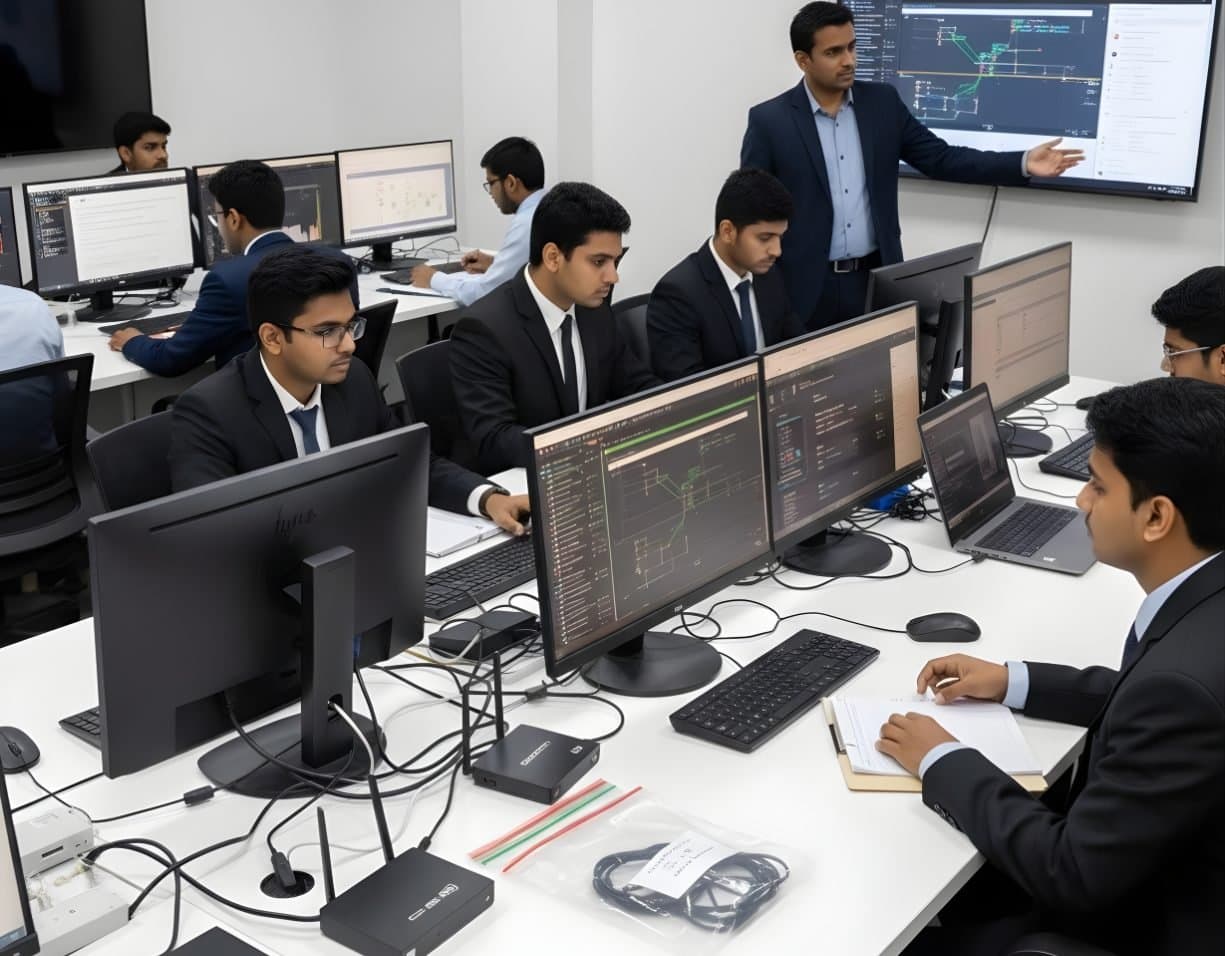
 NetworkNetwork & Cloud ForensicsNetwork Traffic AnalysisRead flows, logs and packets to trace intrusions, beaconing and data theft.
Arkime project
Arkime
Arkime stores packets at scale and indexes the sessions they belong to, so an analyst can search weeks of traffic by field and pull back the exact packets in seconds.
PlatformOpen sourceCurrentLinux
Profile
- Manufacturer
- Arkime project
- Category
- Network and enterprise
- Product type
- Platform
- Platforms
- Linux
- Licensing
- Open source
- Product status
- Current
- Educational level
- Advanced
- Last verified
- 2 November 2026
Formerly Moloch. The project FAQ still refers to Moloch 1.x upgrade paths and the site has a page explaining the rename. The supported operating systems are those named in the FAQ on 2 Nov 2026; FreeBSD is among them but is not a value this directory uses.
What Arkime is
Arkime was called Moloch until the project moved out of its original GitHub organisation and renamed itself, explaining on its site that the old name might send signals it did not intend. The code is under the Apache 2.0 licence. A capture process watches interfaces or reads existing capture files, parses traffic from layer 3 to layer 7, extracts fields for each session and writes the packets to disk in standard pcap form. Session metadata goes into OpenSearch or Elasticsearch. The viewer, a web application, offers Sessions, SPI View, SPI Graph and Connections pages for searching and drawing the data. Parliament gives a landing page and health view across several clusters and Cont3xt enriches indicators from outside sources. Arkime can run with metadata only, like an enhanced NetFlow, with selective capture driven by Arkime Rules or with full packet capture.
The forensic value is retention. A tcpdump file covers an hour. Arkime keeps whatever its disks allow and keeps it searchable, so when an alert arrives days late the analyst can still ask which hosts spoke to a given address on a given night and export the matching sessions as a pcap for Wireshark. A large capture set handed over by a client can be loaded into Arkime to make it searchable before anyone opens a single file. The project FAQ lists Amazon Linux 2023, Arch, Debian 12 and 13, Enterprise Linux 9 and 10, Ubuntu 22.04 and 24.04 and FreeBSD 14 and 15 as directly supported, with container images as well. Deployment is an infrastructure job: sizing the search cluster, the capture disks and the retention policy.
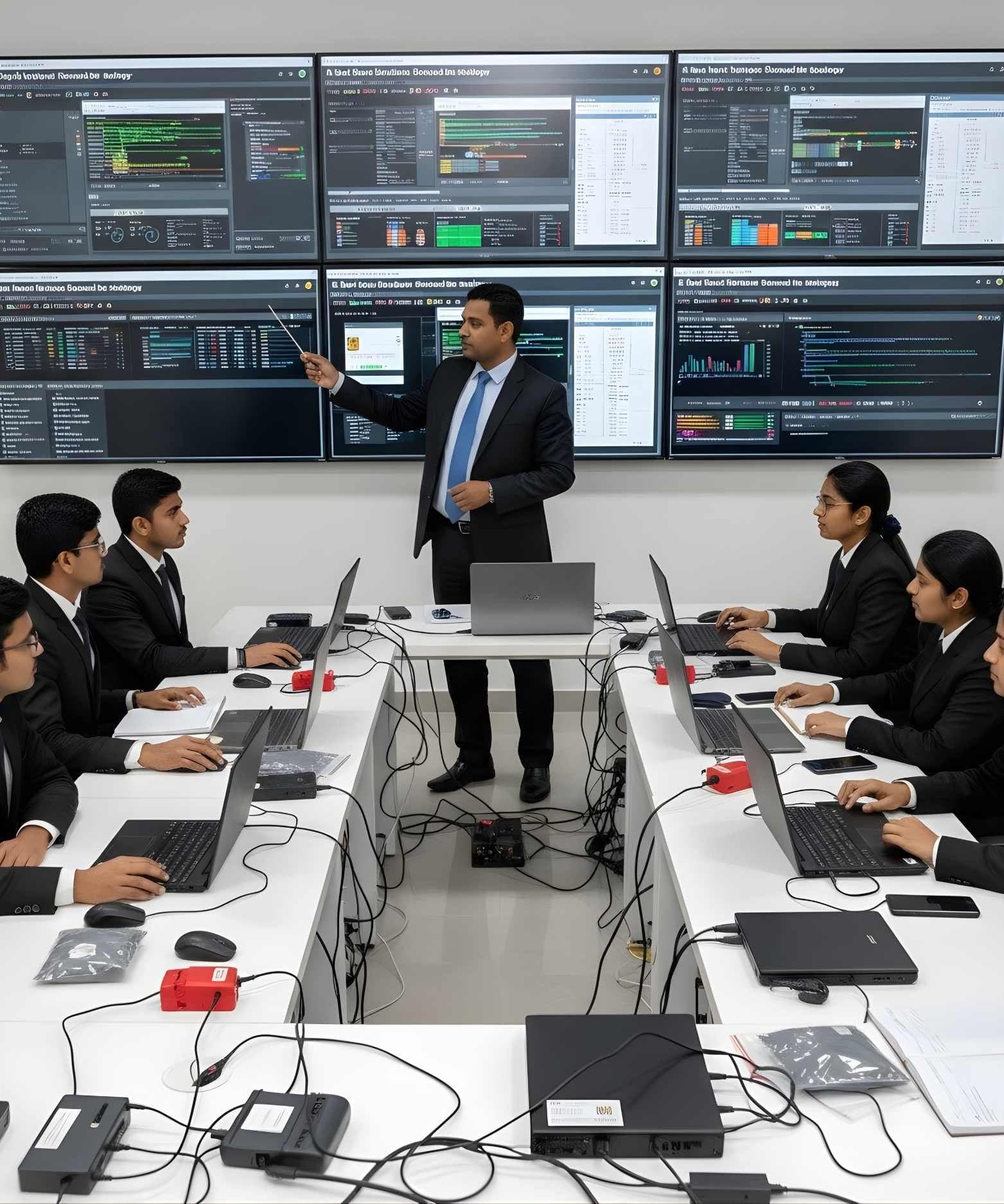
Primary applications
Where it is used
- Searching past traffic after an alert that arrived late
- Exporting the sessions that matter as a pcap for Wireshark
- Indexing a large set of capture files received from a client or sensor
- Drawing connections between hosts over a chosen period
- Enriching addresses and domains with outside sources during analysis
- Long-term capture on a monitored network under a written authority
Who uses it
- Security operations and network security teams
- Network forensic analysts
- Incident response firms that run sensors for clients
- Researchers working with large traffic sets
Capabilities and limits
Major capabilities
- Full packet capture to standard pcap files with session indexing
- Field extraction from layer 3 to layer 7 for each session
- Metadata stored in OpenSearch or Elasticsearch for fast search
- Viewer with Sessions, SPI View, SPI Graph and Connections pages
- Metadata-only, rule-driven selective capture or full capture modes
- Reads existing capture files into the index
- Parliament for multi-cluster monitoring and Cont3xt for indicator enrichment
- Clustered deployment across several capture and search nodes
Technical limitations
- Needs a search cluster and large disks. It is not a laptop tool
- Encrypted payloads are stored but cannot be read
- Packet-level decoding is shallower than Wireshark, which remains the tool for the last step
- Retention policies delete old packets, so the traffic of interest may already be gone
- Runs on Linux and FreeBSD only, by the project's own list
- It records everything on the link, including third parties, so authority and data protection review come before capture
Learning with DFRTI
Independent professional education covering the principles and workflows of Arkime. DFRTI is not a vendor training centre and its courses are not vendor certifications.
Before you learn it
- Linux administration
- OpenSearch or Elasticsearch basics
- TCP/IP and capture architecture with taps and span ports
Disciplines
Related tools
- WiresharkWireshark captures network traffic and shows every packet decoded field by field. It is the standard first tool for reading a packet capture in an investigation.Wireshark Foundation
- ZeekZeek watches a network link and writes what it sees as structured logs rather than packets. For a forensic analyst that means hours of traffic become tables that can be searched, joined and placed on a timeline.The Zeek Project
- tcpdump and libpcaptcpdump captures packets from the command line and libpcap is the library it and many other programs use to do it. Between them they define the pcap format that network forensics is built on.The Tcpdump Group
- NetworkMinerNetworkMiner reads a packet capture and sorts what it finds by host, file, session and credential. It is the tool to open when the question is what happened on the wire rather than which flag was set in which packet.Netresec
Courses that cover this tool
NetworkNetwork & Cloud ForensicsNetwork Traffic AnalysisRead flows, logs and packets to trace intrusions, beaconing and data theft. NetworkNetwork & Cloud ForensicsWireshark / Packet CaptureCapture, filter and read packets in Wireshark and tshark to recover what was sent.
 MalwareIncident Response & Malware AnalysisRansomware & Threat ResponseHandle a ransomware attack from first call to recovery, reporting and lessons learnt.
Official source
Product names and trademarks belong to their respective owners. DFRTI is an independent educational and research institute. Inclusion in this directory does not imply manufacturer endorsement, partnership or authorisation. Facts are checked against the manufacturer's public documentation on the date shown and may have changed since.
Go deeper with DFRTI
Free pages explain the ground. Structured courses, lab work and a mentor take you from knowing about it to doing it on a case.