 LegalFoundation & Legal CoursesLegal & Court ProceduresIndian law on electronic evidence: BSA Section 63, BNSS search and seizure and the IT Act.
Bharatiya Nagarik Suraksha Sanhita, 2023
The criminal procedure code in force since 1 July 2024. It is the first Indian procedure law written with phones, devices and video in mind, and it decides how digital evidence is lawfully obtained before any examiner sees it.
ActParliament of India2023In forceReviewed 2 November 2026
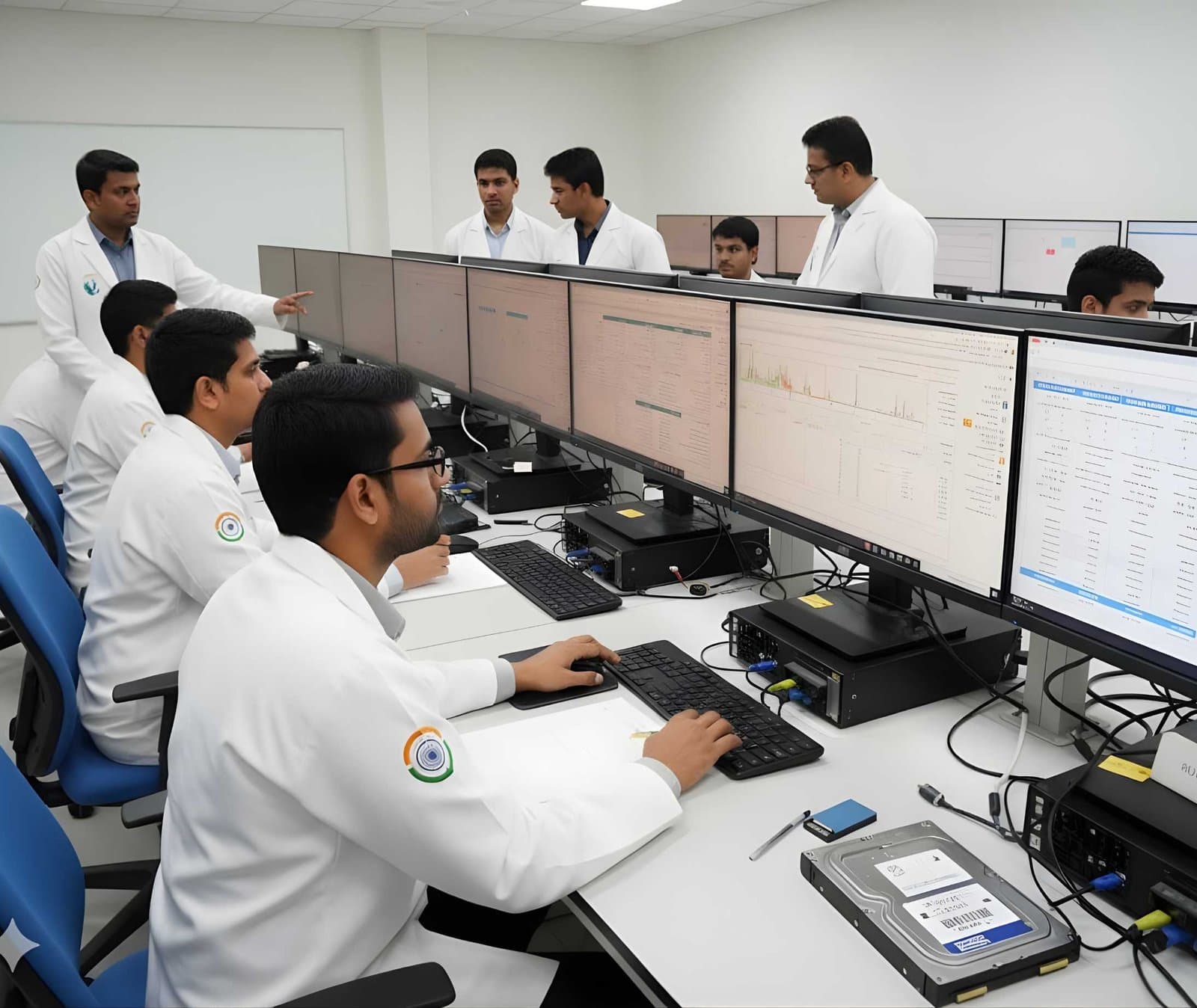
The Bharatiya Nagarik Suraksha Sanhita, 2023 is Act 46 of 2023. It received the President's assent on 25 December 2023 and was published in the Gazette the same day. Section 1(3) left commencement to notification, and the Ministry of Home Affairs appointed 1 July 2024 by notification S.O. 848(E) dated 23 February 2024, together with the companion notifications for the Bharatiya Nyaya Sanhita, 2023 and the Bharatiya Sakshya Adhiniyam, 2023. Section 531 repeals the Code of Criminal Procedure, 1973, while proceedings pending on 1 July 2024 continue under the old Code.
The Sanhita has 531 sections in 39 chapters. Much of it carries the 1973 Code forward with renumbering. What is new for digital forensics is scattered through the text: definitions of audio-video electronic means and electronic communication, summons that reach devices, mandatory video recording of searches and seizures, compulsory forensic visits for serious offences and a general power to hold proceedings electronically.
This page explains the provisions an examiner, a first responder or a student needs to recognise. It is educational, not legal advice, and every section number should be read in the Gazette text before it is quoted in a report.
Definitions in Section 2
A
- Audio-Video Electronic Means
- Section 2(1)(a). Includes the use of any communication device for video conferencing, for recording the processes of identification, search and seizure or evidence, for transmitting electronic communication and for such other purposes and means as State rules provide. This is the phrase the search and seizure sections use when they say recording is required.
E
- Electronic Communication
- Section 2(1)(i). The communication of any written, verbal, pictorial information or video content transmitted or transferred between persons or devices by means of an electronic device, including a telephone, mobile phone, wireless device, computer, audio-video player or camera or any other device or form the Central Government notifies. A summons under section 94 can call for it.
The Sections That Reach Digital Evidence
- Section 94, Summons to Produce
A court, or an officer in charge of a police station by written order in physical or electronic form, may require a person to attend and produce, or simply to produce, any document, electronic communication including communication devices likely to contain digital evidence or other thing needed for an investigation, inquiry or trial. It does not reach bank records covered by sections 129 and 130 of the Bharatiya Sakshya Adhiniyam, 2023 or the Bankers' Books Evidence Act, 1891, or items in postal custody.
- Section 103, Search of Closed Places
A person in charge of a place liable to search must allow entry on production of the warrant, and a person reasonably suspected of concealing an article on his person may be searched. A phone in a pocket is such an article.
- Section 105, Recording the Search
The process of searching a place or taking possession of any property, article or thing under the chapter or under section 185, including preparing the list of things seized and the witnesses signing it, shall be recorded through audio-video electronic means, preferably a mobile phone, and the officer shall forward the recording without delay to the District Magistrate, Sub-divisional Magistrate or Judicial Magistrate of the first class.
- Section 106, Police Seizure
Any police officer may seize property alleged or suspected to be stolen or found in circumstances creating suspicion of an offence, with a duty to report the seizure forthwith to the station officer and to the Magistrate and provision for custody on a bond where the property cannot be conveniently kept.
- Section 176(3), Forensic Visit
For every offence punishable with seven years or more, the officer in charge shall, from a date the State Government notifies within five years, cause the forensic expert to visit the crime scene to collect forensic evidence and cause videography of the process on a mobile phone or other electronic device. Where a State lacks the facility it must notify use of another State's.
- Section 185, Search by Police Officer
An officer in charge or an investigating officer who has reasonable grounds to believe that something necessary for the investigation is in a place within the station limits and cannot be obtained otherwise without undue delay, may search after recording the grounds in the case diary. The search shall be recorded through audio-video electronic means, preferably by mobile phone.
- Section 530, Electronic Mode
All trials, inquiries and proceedings, including issue and service of summons and warrants, examination of complainants and witnesses, recording of evidence and appellate proceedings, may be held in electronic mode using electronic communication or audio-video electronic means. An examiner may give evidence by video.

How It Touches Forensic Work and a Laboratory
The Sanhita decides the authority under which a device reaches the laboratory. A phone produced under a section 94 order, a laptop seized during a section 185 search and a server imaged under a court warrant each carry a different paper trail, and the chain of custody should begin with that paper, not with the examiner's intake form. Where section 105 or section 185 required an audio-video recording of the seizure, the recording itself is evidence of how the device was handled before acquisition, and its absence will be noticed by the defence.
Section 176(3) changes the first stage of the lifecycle for serious offences. A forensic expert at the scene is expected to collect evidence and the process is to be videographed. For digital devices that means a trained responder deciding on the spot whether a phone stays on or off, whether a running computer is imaged live or pulled and whether a DVR is seized or its footage exported, all on camera. Scene procedures, kit lists and training have to be written for that reality.
Electronic proceedings under section 530 mean that an examiner's report is increasingly read on a screen and the examiner is examined over video. Reports should be written to be understood without the examiner in the room, and exhibits should be referenced in a way that survives being displayed one page at a time.
- Start the custody record with the section 94 order, warrant or search record, not the intake form
- Keep the section 105 or 185 recording with the case; it documents handling before acquisition
- Write scene procedures for section 176(3) visits with video running
- Draft reports for a reader on a screen and for examination over video
What the Sanhita Does Not Do, and Common Misunderstandings
- It does not say how a device is to be examined. Method, tools and validation are matters of forensic science and the standards on the lifecycle page, not of procedure law.
- It does not make a video recording of a search a substitute for the seizure list. Section 105 requires the list and the witnesses' signatures to be recorded, not replaced.
- Section 176(3) does not start everywhere on 1 July 2024. Each State notifies the date within five years, so the duty may be live in one State and not yet in its neighbour.
- A section 94 order is not a warrant to search a person's device at will. It requires production of the device or communication; what may then be examined depends on the order, the investigation and the general law on self-incrimination, which this page does not attempt to summarise.
- The Sanhita does not govern admissibility. Whether the recording, the image or the report is admissible is decided under the Bharatiya Sakshya Adhiniyam, 2023.
Common Questions
Must every police search now be video recorded?
Searches under section 185 and searches and seizures under the chapter that section 105 covers must be recorded through audio-video electronic means, preferably a mobile phone, and the recording forwarded to a Magistrate without delay. Whether a failure to record affects the evidence is for the court on the facts; the Sanhita itself sets the duty.
Can a private laboratory be the forensic expert under section 176(3)?
The section refers to the forensic expert and to the State's forensic facility without defining either. In practice State forensic science laboratories and police forensic units perform these visits. A private laboratory engaged by a party is giving expert opinion under the Bharatiya Sakshya Adhiniyam, 2023, not performing the section 176(3) visit.
Does section 94 cover cloud data?
It covers documents, electronic communication including communication devices and other things in a person's possession or power. Data held by a service provider is usually sought from that provider, and the examiner should expect the order to name what is to be produced rather than assume it reaches everything the person can log in to.
Official sources
This page is educational material, not legal advice. Laws and standards change, commence on different dates and are interpreted differently across jurisdictions. Always read the official text linked on this page and take advice from a qualified professional for a real matter.
Disciplines where this applies
Courses that teach it
LegalFoundation & Legal CoursesLegal & Court ProceduresIndian law on electronic evidence: BSA Section 63, BNSS search and seizure and the IT Act. LegalFoundation & Legal CoursesBasics of Cyber ForensicsStart here. Evidence handling, imaging, hashing, chain of custody and your first analysis.
Go deeper with DFRTI
Free pages explain the ground. Structured courses, lab work and a mentor take you from knowing about it to doing it on a case.