Research and insights
Short pieces that explain one thing properly: what a standard changed, how a technology behaves, why a tool family was renamed. Every piece lists its sources and the date it was checked.
6 pieces6 categoriesSources on every piece
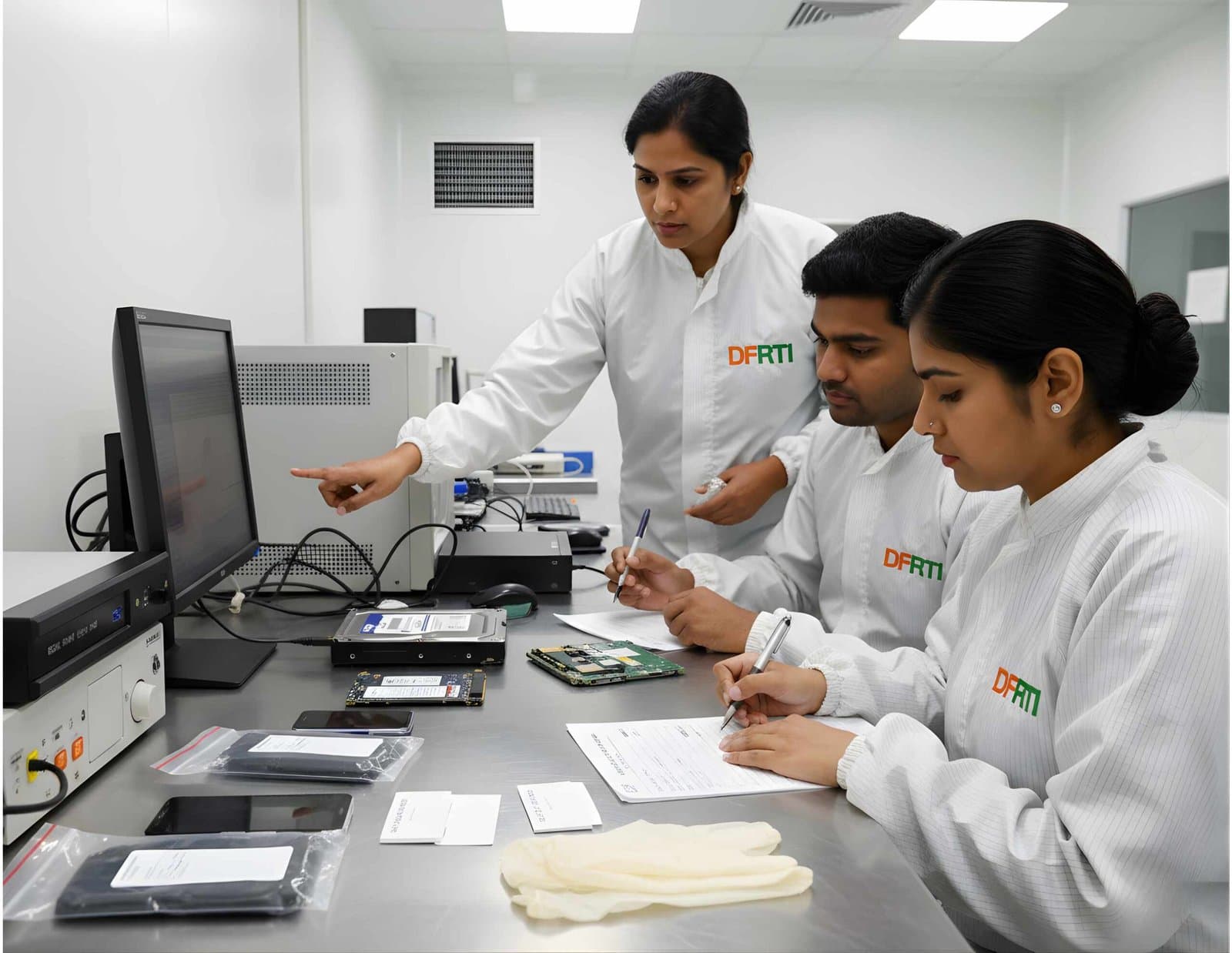
How these are written
The editorial team reads the primary document first: the published standard, the Gazette notification, the maker’s own release note. Secondary reporting is used only to find the primary source, never as the source itself. Where something could not be checked, the piece says so. Nothing here is a vendor announcement and DFRTI has not tested a product unless the text says it has.
More from DFRTI research
- Ongoing Research ProjectsOur active projects cover disk analysis, mobile evidence, cloud forensics, memory research and malware investigation. Each one starts from a problem investigators run into on real cases.
- Publications & Case StudiesResearch papers, case studies and investigation reports for analysts, teachers and forensic researchers. Written to show method, so readers can apply it to their own cases.
- DFRTI Tools & InnovationsWe build forensic tools for storage, mobile, cloud, memory and malware work. The aim is simple: more accurate evidence, found faster, with every step on record.
- Collaborate on ResearchWe want to push forward how digital evidence is acquired, analysed, validated and automated. If your research or project is in digital forensics, you can work with our experts, labs and datasets.
Go deeper with DFRTI
Free pages explain the ground. Structured courses, lab work and a mentor take you from knowing about it to doing it on a case.