Advance the Future of Digital Forensics—Together
Collaborate With DFRTI – Digital Forensics Research Partnerships
At DFRTI, we are committed to pushing the boundaries of evidence acquisition, analysis, validation and forensic automation.
If your research, innovation or project focuses on Digital Forensics, this is your gateway to collaborate with our experts, labs and technology ecosystem.
Our partnerships welcome universities, researchers, start-ups, forensic practitioners and tool developers who want to contribute meaningfully to the next generation of Digital Forensics research.
Why Collaborate With DFRTI?
100% Digital Forensics Focus
Our research is centered exclusively on digital evidence—from storage, mobile, memory, multimedia, IoT and network forensics to AI-driven forensic models.
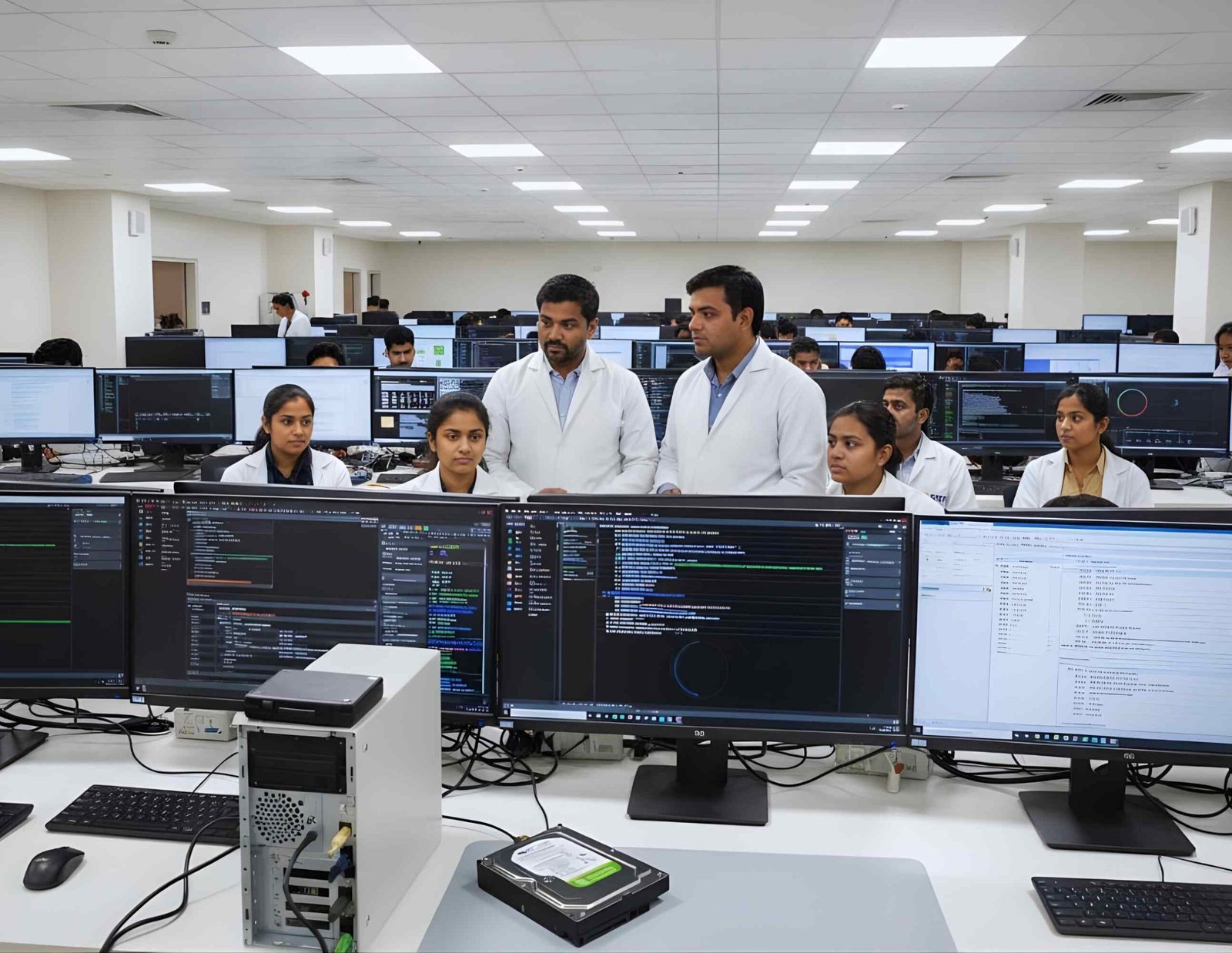
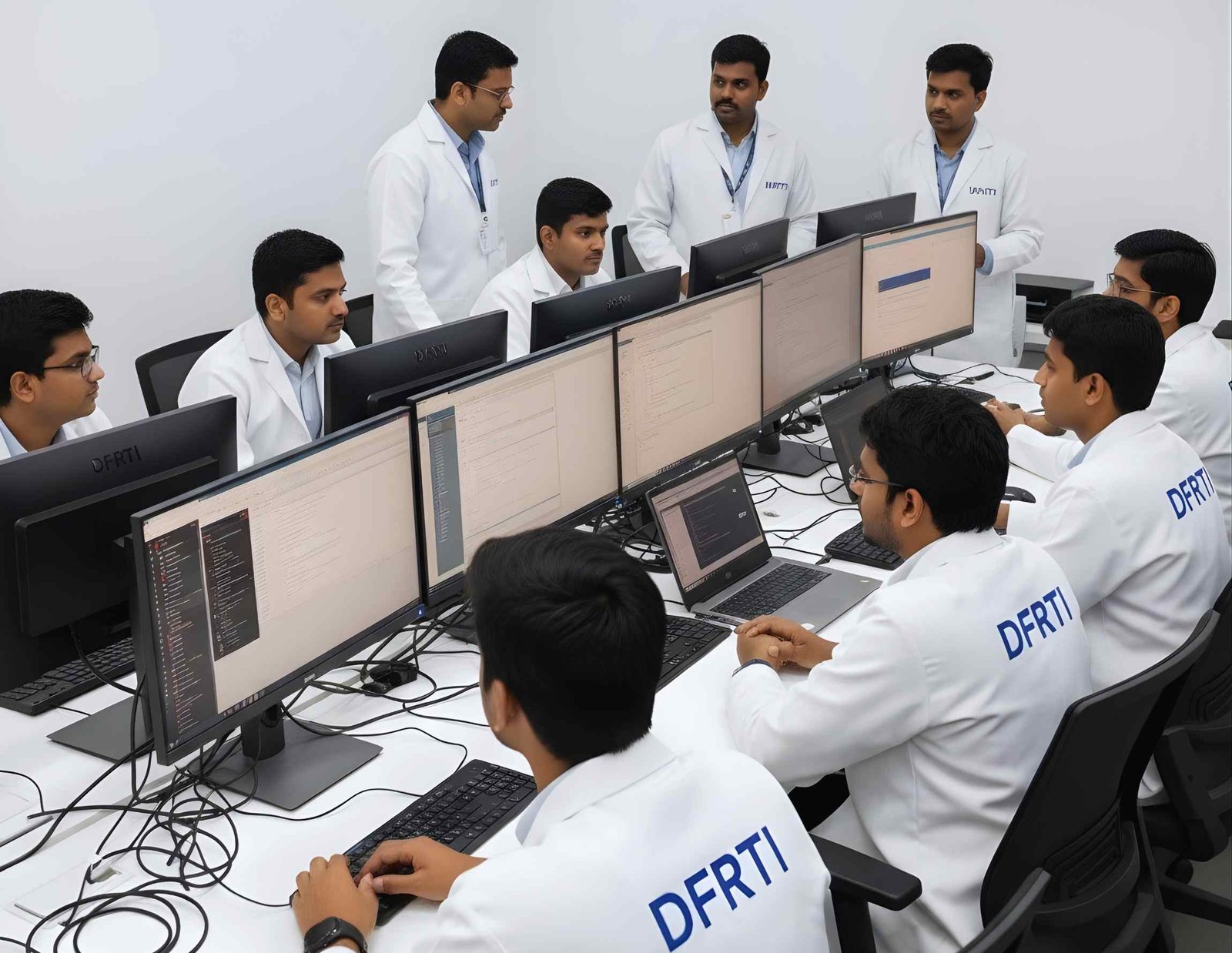
Advanced Labs & Infrastructure
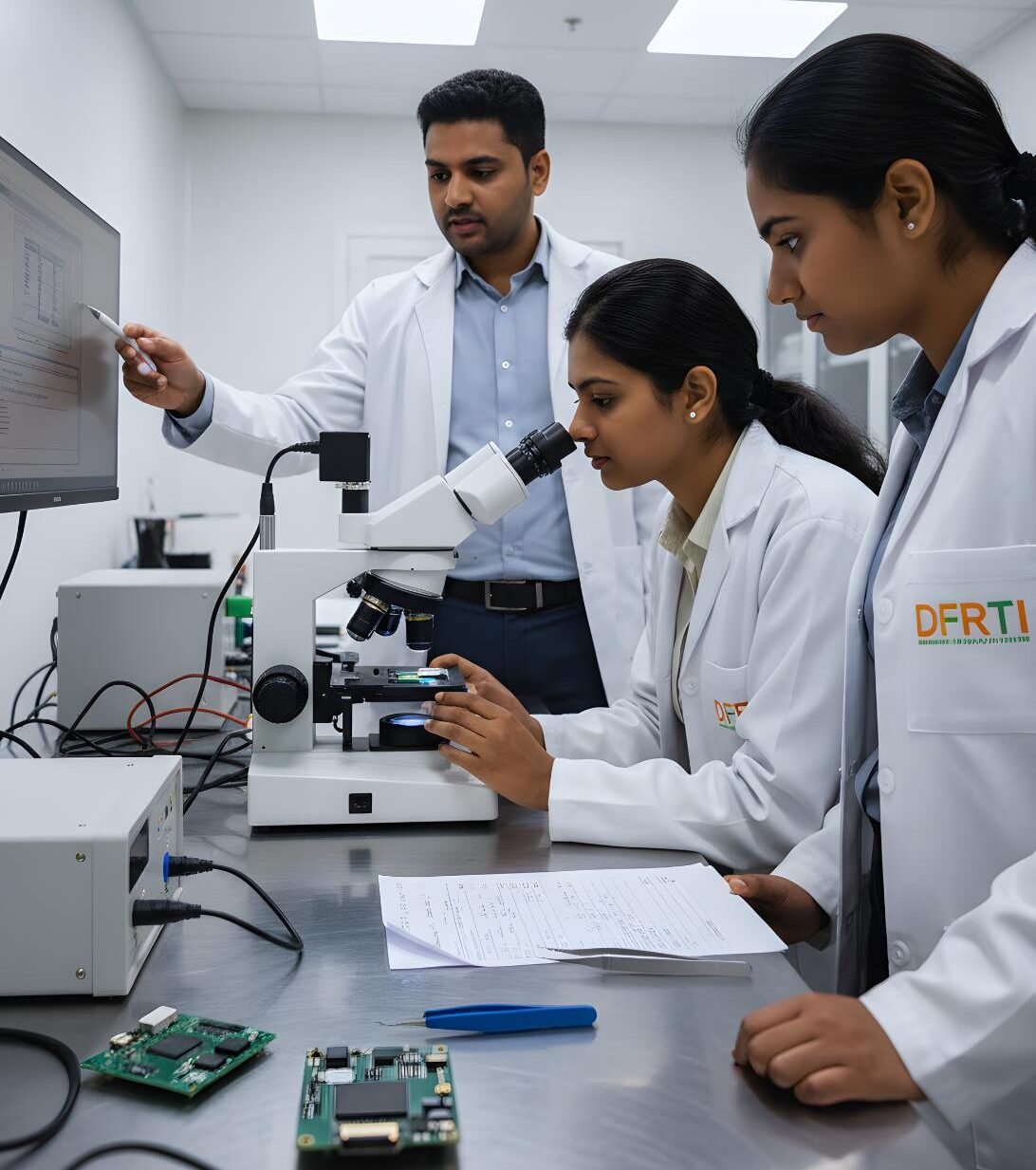
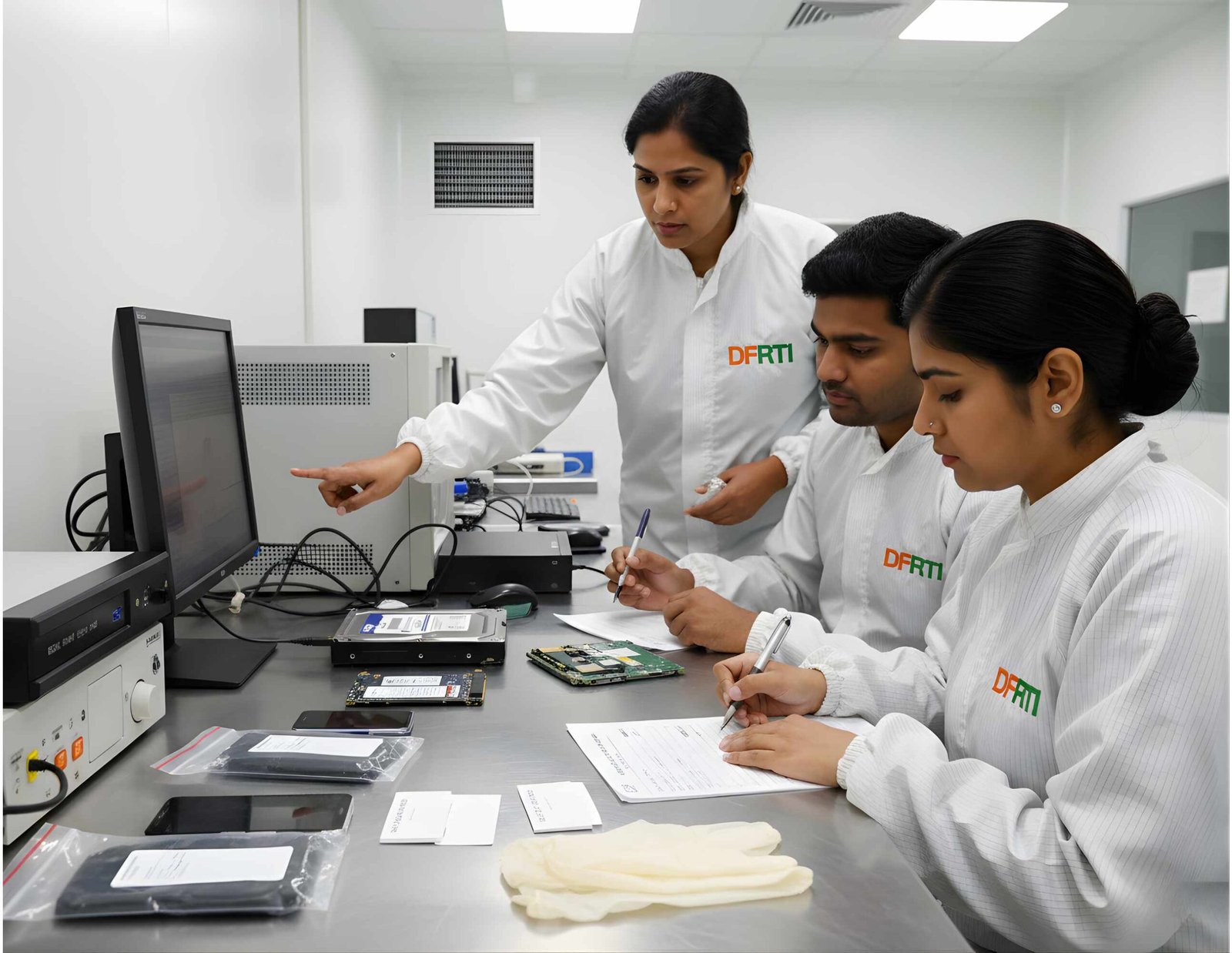
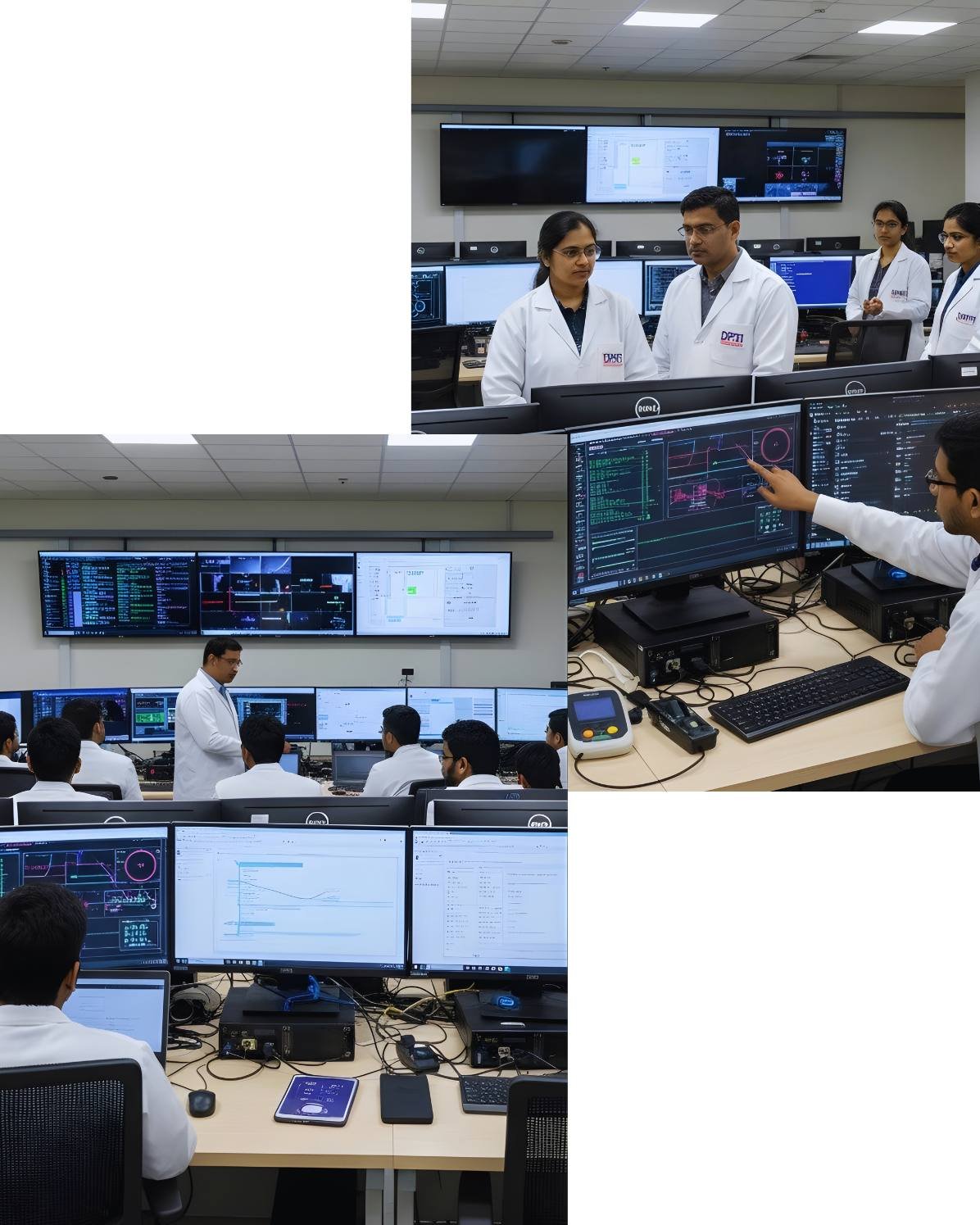
DFRTI’s advanced labs provide hands-on experience with cutting-edge forensic tools, enabling students and researchers to master storage, mobile, network, multimedia and AI-based investigations.
Our Labs:
- Storage & Disk Forensics Lab
- Mobile & IoT Device Forensics Lab
- RAM & Memory Forensics Lab
- Network & Cloud Artifact Lab
- CCTV, DVR & Multimedia Forensics Lab
- AI/ML Evidence Processing Unit
Realistic Datasets & Evidence Scenarios
DFRTI provides students and researchers with authentic, sanitized forensic datasets for hands-on practice, ensuring learning under strict ethical and legal compliance.
Access to:
- Sanitized disk images
- Mobile forensic datasets
- Memory dumps
- DVR streams
- Cloud logs
- Synthetic forensic data
- All under strict ethical and legal compliance.
Collaborate With
Industry, Academia & Law Enforcement Collaboration
DFRTI fosters collaboration with forensic analysts, data engineers, AI/ML specialists and legal experts, providing students and researchers with real-world exposure and interdisciplinary experience.
- Forensic Analysts
- Data & Network Engineers
- AI/ML Specialists
- Legal Advisors
Priority Research Domains
Storage / Disk Forensics
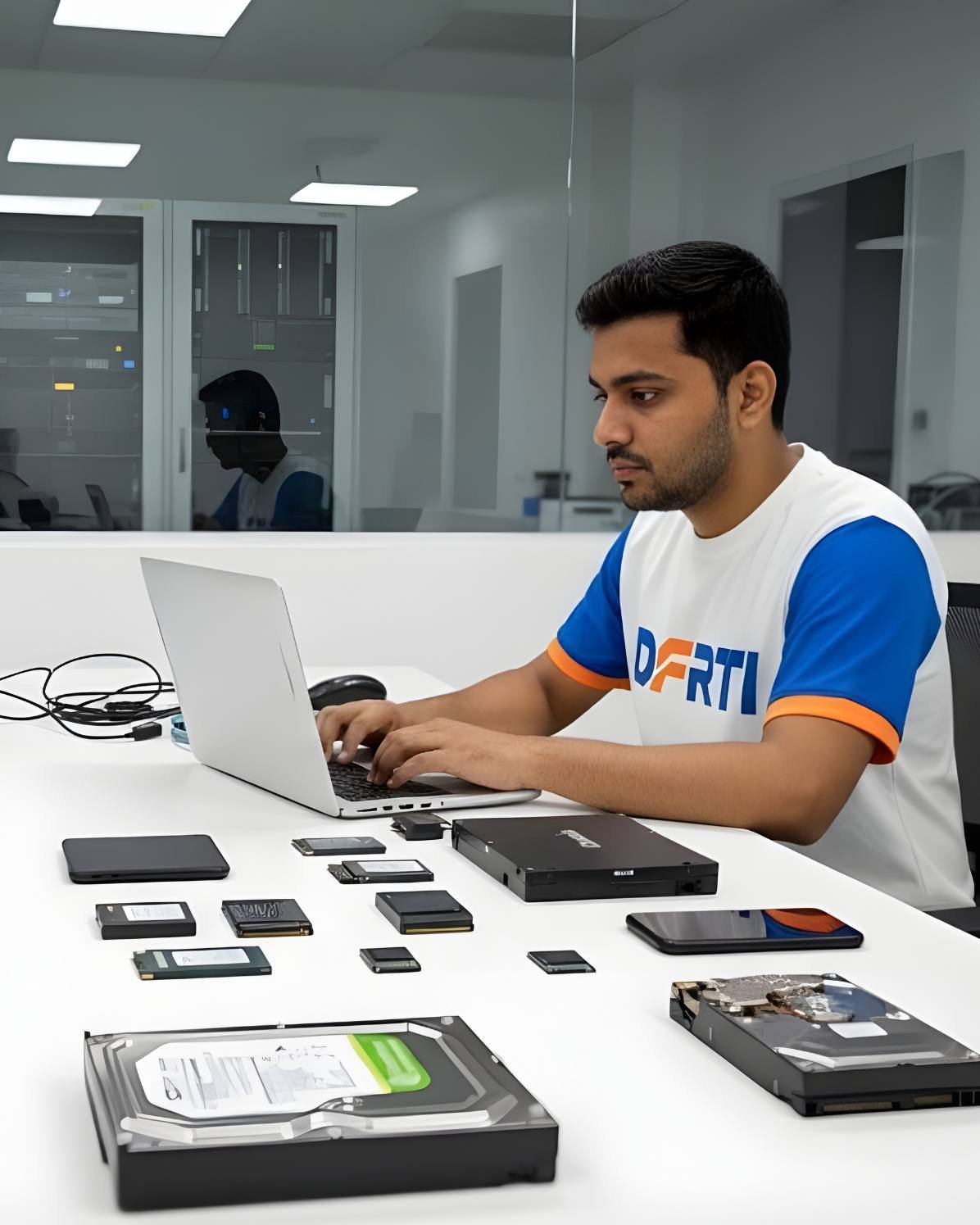
Research focuses on advanced recovery and analysis of storage devices, ensuring investigators can extract and reconstruct data effectively.
- NVMe/SSD recovery
- Wear-leveling forensics
- RAID/NAS reconstruction
- File carving algorithms
- Anti-forensics detection
Mobile & IoT Forensics
Investigates secure acquisition and analysis of data from mobile devices and IoT systems, including drones and embedded devices.
- Locked device extraction research
- IoT data acquisition protocols
- Drone log and sensor forensics
- TEE/Secure Enclave data behavior
Memory & Malware Forensics
Examines volatile memory and malware behavior to uncover hidden artifacts and strengthen forensic investigations.
- RAM timeline modeling
- Memory injection detection
- In-memory cryptographic artifacts
- Polymorphic malware traces
Multimedia / Video Forensics
Specialized in verifying multimedia evidence, detecting tampering and applying AI for enhanced analysis.
- DVR format decoding
- Deepfake validation
- Metadata tamper detection
- AI-powered video enhancement
Network & Cloud Evidence
Focuses on extracting and analyzing digital evidence from networks, virtual machines and cloud environments.

Key Research Areas:
- VM artifact extraction
- Hypervisor analysis models
- Packet reconstruction for evidence

Blockchain & Cryptocurrency Forensics
Research targets tracing digital assets and analyzing blockchain activity to uncover transactional patterns.
- Wallet and ledger traceability
- Blockchain metadata forensics
- Flow and linkage analysis

AI/ML in Forensics
Applies artificial intelligence to classify evidence, assess similarity and support explainable analysis for investigations.
- Artifact classification models
- Evidence similarity scoring
- Explainable AI for courtroom use

Forensic Tool Development
Focuses on building tools and frameworks that streamline forensic processes and support dataset generation.
- Parsers & decoders
- Automation solutions
- Verification frameworks
- Dataset generation pipelines
Who We Collaborate With
DFRTI partners with academia, government, researchers and innovators to advance digital forensics through shared expertise, tool development and hands-on mentorship.
Universities & Research Departments
Thesis support, sponsored labs and co-authored publications.
Government & Law Enforcement
Specialized tool development and capability enhancement.
Independent Researchers
Bring your idea—receive mentorship, lab support and evaluation.
Start-ups & Technology Innovators
Co-develop forensic tools, libraries and AI models.
Open-Source Developers
Validation, testing and version prototyping.
Types of Collaborations
We offer multiple ways to collaborate, enabling partners to advance digital forensics research, develop tools and access specialized resources.
Joint Research Projects
Collaborate on algorithms, tools, datasets or methodologies.
Sponsored / Funded Research
Organizations can fund specific forensic research goals.
Tool Development & Validation
Create new tools or test your existing forensic software.
Academic Research Integration
Support for PhD/M.Tech/B.Tech digital forensics research.
Access to Specialized Datasets
For tool testing, model creation or validation studies.
Submission Requirements (Before You Apply)
Your proposal should include:
-
Project Title
-
Problem Statement
-
Research Objectives
-
Proposed Methodology
-
Required Support from DFRTI
-
Timeline
-
Expected Deliverables
-
Ethical & Legal Considerations
-
Your Background / Institution
-
Any Reference Material (optional)
How the Collaboration Process Works
Step 1 — Submit Proposal
You will submit your details through our dedicated Research Proposal Form button below.
Step 2 — Evaluation (7–14 Days)
Our research committee reviews the feasibility originality and ethical compliance.
Step 3 — Consultation & Scope Finalization
We discuss refinements, goals, resource needs and collaboration structure.
Step 4 — Agreement & Onboarding
MoU/NDA if required, researchers assigned, lab access granted where applicable.
Step 5 — Execution & Review
With periodic evaluations and technical guidance.
Step 6 — Publication, Tool Release or Documentation
Joint credits, public showcase or integration into DFRTI’s research ecosystem.
Ready to Collaborate?
Submit Your Digital Forensics Research Proposal
We’ve created a dedicated page for secure, structured proposal submissions. Click below to proceed to the official Research Proposal Submission Form.